
| A2030 Target | SDG Target |
|---|---|
| Achieve net zero emissions from land use | 13.1 Strengthen resilience and adaptive capacity to climate-related hazards and natural disasters in all countries 15.2 By 2020 promote the implementation of sustainable management of all types of forests, halt deforestation, restore degraded forests and substantially increase afforestation and reforestation globally |
| 15.3 By 2030 combat desertification, restore degraded land and soil, including land affected by desertification, drought and floods, and strive to achieve a land degradation-neutral world | |
| Reducing product carbon emissions intensity by 25% | 9.4 By 2030 upgrade infrastructure and retrofit industries to make them sustainable, with increased resource use efficiency and greater adoption of clean and environmentally sound technologies and industrial processes |
| Source 90% of mill energy needs from renewables and cleaner energy sources | 7.2 Increase substantially the share of renewable energy in the global energy mix |
| Source 50% of fibre operations’ energy needs from renewables and cleaner energy source | 7.2 Increase substantially the share of renewable energy in the global energy mix |
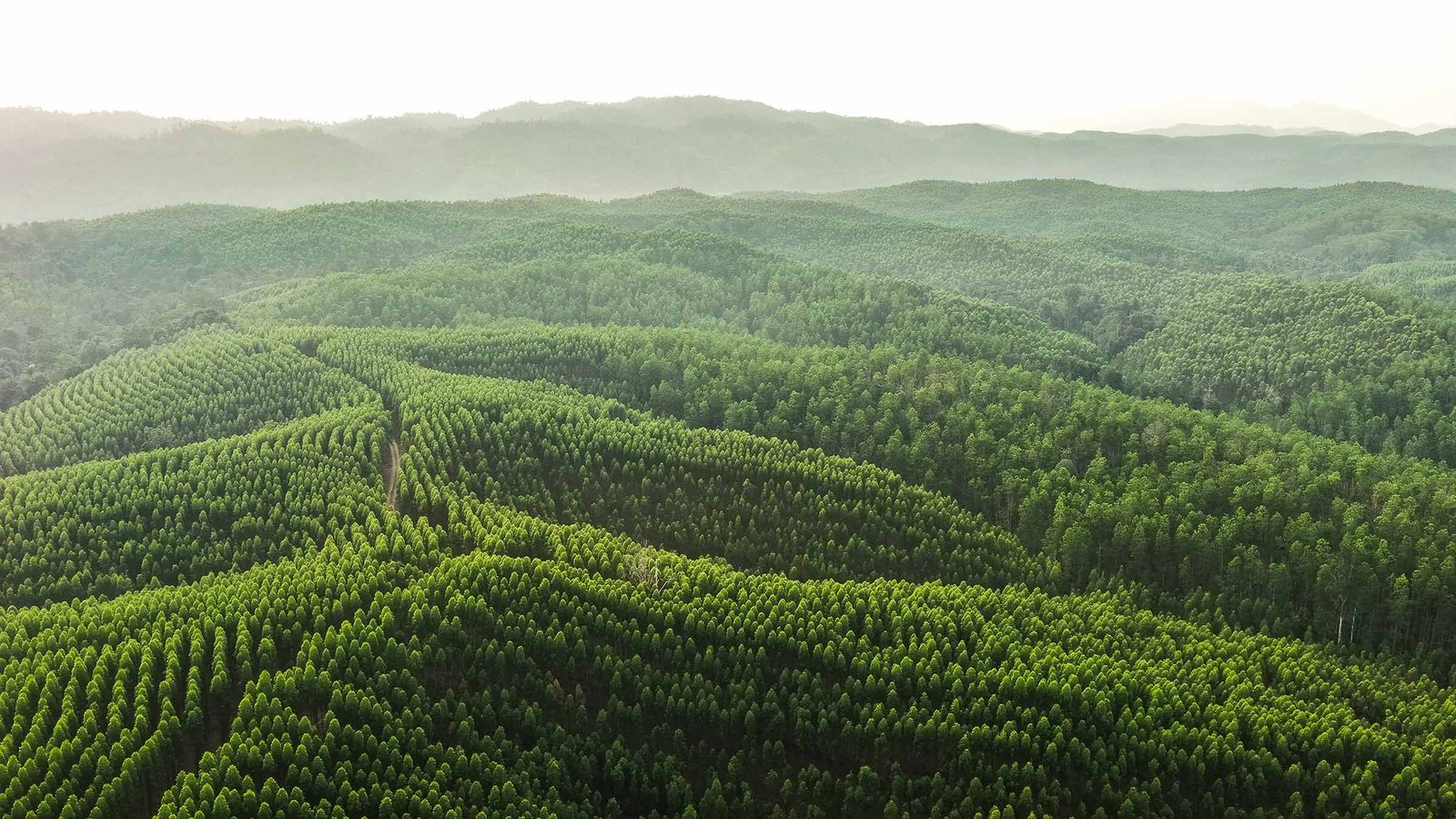

APRIL2030 is our agenda for meeting the challenges of a crucial decade for climate, nature and msustainable development. It is our commitment to deliver a positive impact on climate, nature and people while growing our business sustainably.
Alignment with SDGs
Since 2017, APRIL has worked with PwC Singapore to assess the impact of its business activities using the United Nations Sustainable Development Goals (SDGs) as a framework. The assessment showed that the outputs and outcomes of APRIL’s business activities have a direct impact on 41 SDG targets across 15 goals.
Following extensive research and an in-depth review of existing data by PwC focusing on APRIL’s business activities, peer benchmarking and national and provincial data and literature, seven priority SDGs were initially identified: three core goals with direct alignment with APRIL’s operations, and four catalytic goals where the company believes it can also make a positive impact. An initial report on this stage of the project, which captured the underlying methodology of the project, was published in May 2019.
The SDGs provide APRIL with a global framework to align its sustainability commitments and strategies with the global development agenda, while also helping the company to strategically focus its resources and programs where the need is greatest. At a practical and operational level, this also helps APRIL to connect its sustainability strategies and contributions to global and national priorities and translate these to actions on the ground to support the achievement of the SDGs in Indonesia across all levels of society.
The APRIL2030 commitments provide APRIL with a set of targets to be achieved by 2030. All the commitments have been designed with targets and metrics to ensure that progress can be measured regularly and that they are closely aligned with the UN SDGs.



Climate Positive
01.
Achieve net zero emissions from land use.
02.
Reduce the intensity of our product carbon emissions by 25%.
03.
Source 90% of mill energy needs from renewables and cleaner energy sources
04.
Source 50% of fibre operations’ energy needs from renewables and cleaner energy source

Thriving Landscapes
05.
Invest in landscape conservation
06.
Zero net loss of conservation areas
07.
Positive biodiversity gains
08.
Support wildlife protection in Indonesia
09.
Advance tropical peatland science.
10.
Increase fibre plantation productivity by 50%.
| A2030 Target | SDG Target |
|---|---|
| Invest in landscape conservation | 15.a Mobilize and significantly increase financial resources from all sources to conserve and sustainably use biodiversity and ecosystems |
| 15.b Mobilize significant resources from all sources and at all levels to finance sustainable forest management and provide adequate incentives to developing countries to advance such management, including for conservation and reforestation | |
| Zero net loss of conservation and restoration areas | 15.2 By 2020, promote the implementation of sustainable management of all types of forests, halt deforestation, restore degraded forests and substantially increase afforestation and reforestation globally |
| 15.3 By 2030, combat desertification, restore degraded land and soil, including land affected by desertification, drought and floods, and strive to achieve a land degradation-neutral world | |
| Positive biodiversity gains | 15.2 By 2020, promote the implementation of sustainable management of all types of forests, halt deforestation, restore degraded forests and substantially increase afforestation and reforestation globally |
| 15.5 Take urgent and significant action to reduce the degradation of natural habitats, halt the loss of biodiversity and, by 2020, protect and prevent the extinction of threatened species | |
| Support wildlife protection in Indonesia | 15.7 Take urgent action to end poaching and trafficking of protected species of flora and fauna and address both demand and supply of illegal wildlife products |
| 15.c Enhance global support for efforts to combat poaching and trafficking of protected species, including by increasing the capacity of local communities to pursue sustainable livelihood opportunities | |
| Advance tropical peatland science | 17.16 Enhance the global partnership for sustainable development, complemented by multi-stakeholder partnerships that mobilize and share knowledge, expertise, technology and financial resources, to support the achievement of the sustainable development goals in all countries, in particular developing countries |
| Increase fibre plantation productivity by 50% | 8.2 Achieve higher levels of economic productivity through diversification, technological upgrading and innovation, including through a focus on high-value added and labour-intensive sectors |
| 12.2 By 2030, achieve the sustainable management and efficient use of natural resources |



Inclusive Progress
11.
Eradicate extreme poverty in villages surrounding our operational areas
12.
50% reduction in stunting in target villages
13.
Promote quality education
14.
Promote access to healthcare
15.
Advance equal opportunities for women
| A2030 Target | SDG Target |
|---|---|
| Eradicate extreme poverty in villages surrounding our operational areas | 1.1 By 2030, eradicate extreme poverty for all people everywhere, currently measured as people living on less than $1.25 a day |
| 50% reduction in stunting in target villages | 2.2 By 2030 end all forms of malnutrition, including achieving, by 2025, the internationally agreed targets on stunting and wasting in children under 5 years of age, and address the nutritional needs of adolescent girls, pregnant and lactating women and older persons |
| Promote quality education | 4.2 By 2030 ensure that all girls and boys complete free, equitable and quality primary and secondary education leading to relevant and effective learning outcomes |
| Promote access to healthcare | 3.8 Achieve universal health coverage, including financial risk protection, access to quality essential health-care services and access to safe, effective, quality and affordable essential medicines and vaccines for all |
| Advance equal opportunities for women | 5.5 Ensure women’s full and effective participation and equal opportunities for leadership at all levels of decision-making in political, economic and public life |


Sustainable Growth
16.
98% chemical lime and soda recovery rate
17.
80% less solid waste to landfill
18.
25% less process water used per product tonne
19.
Incorporate 20% recycled textile in VSF production
| A2030 Target | SDG Target |
|---|---|
| 98% chemical lime and soda recovery rate | 12.4 By 2020 achieve the environmentally sound management of chemicals and all wastes throughout their life cycle, in accordance with agreed international frameworks, and significantly reduce their release to air, water and soil in order to minimize their adverse impacts on human health and the environment |
| 80% less solid waste to landfill | 12.5 By 2030, substantially reduce waste generation through prevention, reduction, recycling, and reuse |
| 25% less process water used per product tonne | 6.4 By 2030, substantially increase water-use efficiency across all sectors and ensure sustainable withdrawals and supply of freshwater to address water scarcity and substantially reduce the number of people suffering from water scarcity |
| Incorporate 20% recycled textile in VSF production | 12.5 By 2030, substantially reduce waste generation through prevention, reduction, recycling, and reuse |