Conservation
We conserve, protect and restore forest areas within our concessions and are expanding our work with conservation partners and communities beyond our concession boundaries.
Biodiversity and Ecosystem Conservation
Thriving Nature
Conserving nature and landscapes are crucial to the long-term viability of our business, the well-being of local communities, and Indonesia’s socioeconomic growth. In 2025, we released APRIL’s Thriving Nature Strategy, which will advance our positive biodiversity gains commitments in the coming years.
Launched at the World Conservation Congress in Abu Dhabi, the Thriving Nature Strategy is an ambitious framework that bolsters our forest conservation, restoration, and monitoring activities. Its objectives are founded on a holistic approach that seeks to improve our understanding of tropical forest landscapes and the impact of their continued health on APRIL’s business practices and operations.
Importantly, the strategy is data-backed and science-based that leverages partnerships with various stakeholders, including local communities, various levels of government, and industry peers, to deliver shared benefits.
In addition to APRIL’s long-term sustainability programmes, partnerships, and community engagement efforts, the strategy is informed by recognized international frameworks, including the United Nations Kunming-Montreal Global Biodiversity Framework as well as the Indonesian Biodiversity Strategy and Action Plan 2025–2045 (IBSAP).
Peatland Conservation
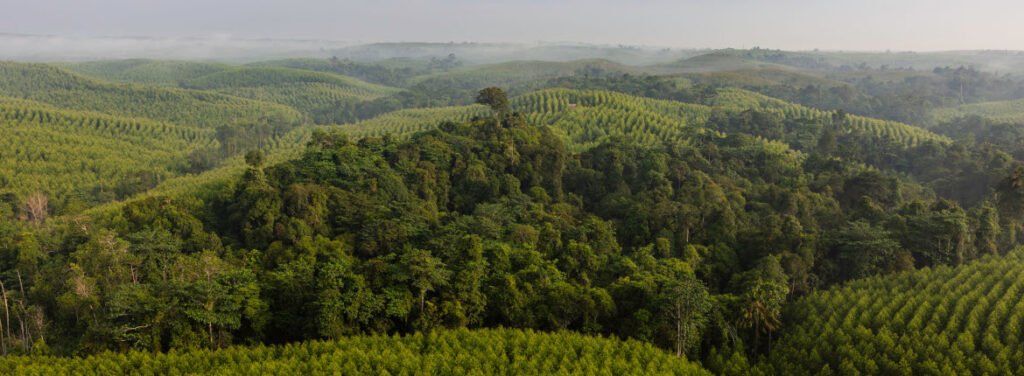
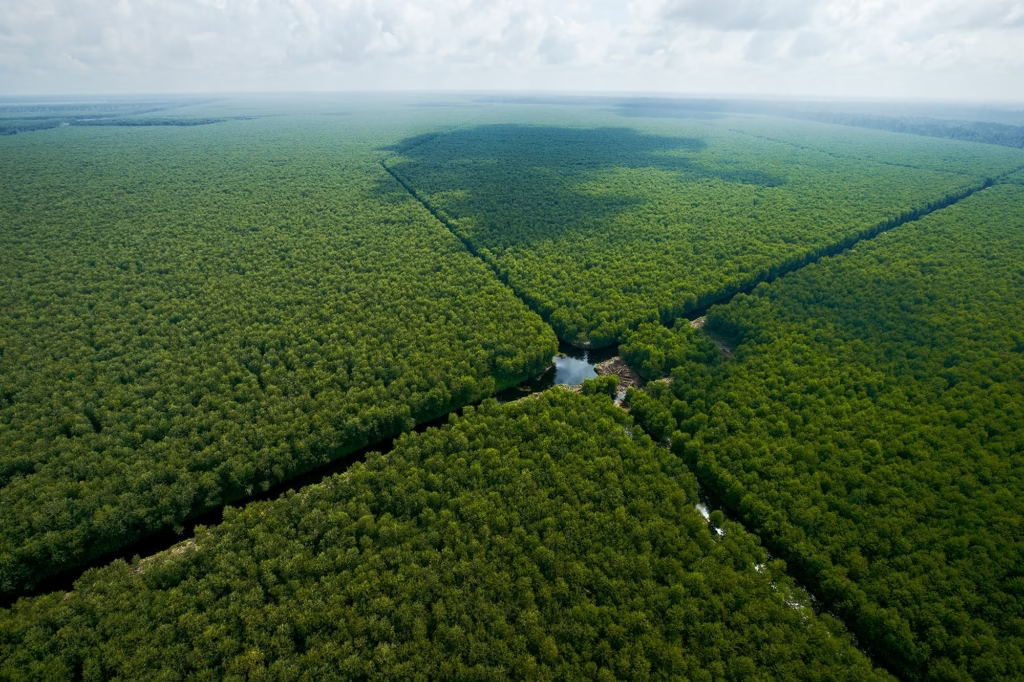
Peatlands comprise 606,871 hectares of the total plantation and conservation area we manage, with 327,964 hectares (54%) dedicated to conservation and 278,906 hectares (46%) situated in existing plantations. About 70% of our total conservation area is tropical peatland, with a significant portion in the RER conservation area, a carbon-storing peat swamp forest twice the size of Singapore.
Our landscape work generates scientific knowledge that promotes peatland science, and we share our data and findings with the national and global scientific communities and other stakeholders.
In 2025, we maintained and renewed existing partnerships as well as collaborations, participated in scientific conferences and ongoing dialogues, and facilitated the Independent Peat Expert Working Group (IPEWG)’s published ‘Challenge & Collaboration’, a report reflecting on ten years of the now-disbanded IPEWG. As of December 2025, APRIL’s scientists have engaged in 296 collaborations, participated in 115 conferences, and contributed to 19 publications on peatland science.

Biodiversity Protection
Biodiversity is declining at an average rate of 73% since 1970, with 85% of endangered and threatened species on the International Union for Conservation of Nature (IUCN) Red List facing habitat loss. Businesses need to actively and responsibly manage and protect natural capital, both within their operations and beyond.
At APRIL, we observe wildlife biodiversity in our concessions using remote camera traps. These are fixed cameras that are triggered when they detect movement. They do not constrain or impact the wellbeing of the animals in any way. Recently, we deployed a new Spatial Monitoring and Reporting Tool (SMART) to collect, compile and analyse field data that helps us prevent illegal wildlife trade. This task is carried out in collaboration with the Wildlife Conservation Society (WCS). We rely on satellite imagery and drones for aerial views of concessions run by our teams or our suppliers, so we can take immediate action on any deforestation activity. All remediation efforts are documented and independently assured each year so we can remain transparent about how we manage and protect our land bank.

NEWSROOM
Updates
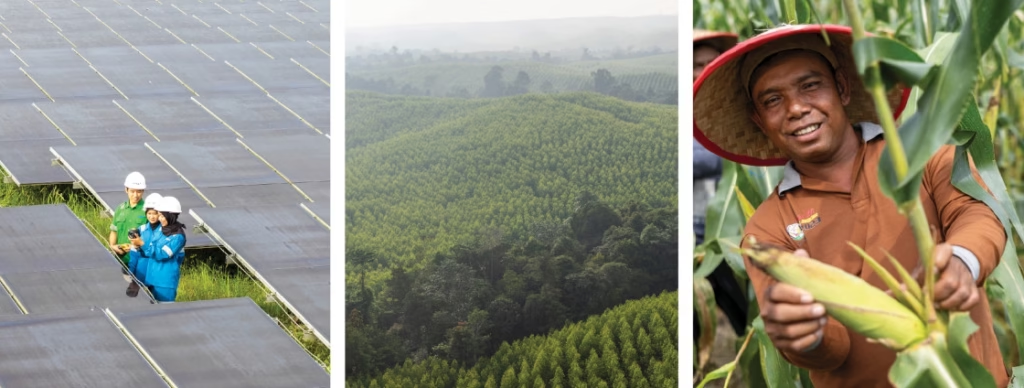
10 Ways APRIL Advanced Climate, Nature and Community Progress in 2025
Sustainability Report 2025
Update on Wood Sourcing Policies and Open Market Wood Sourcing
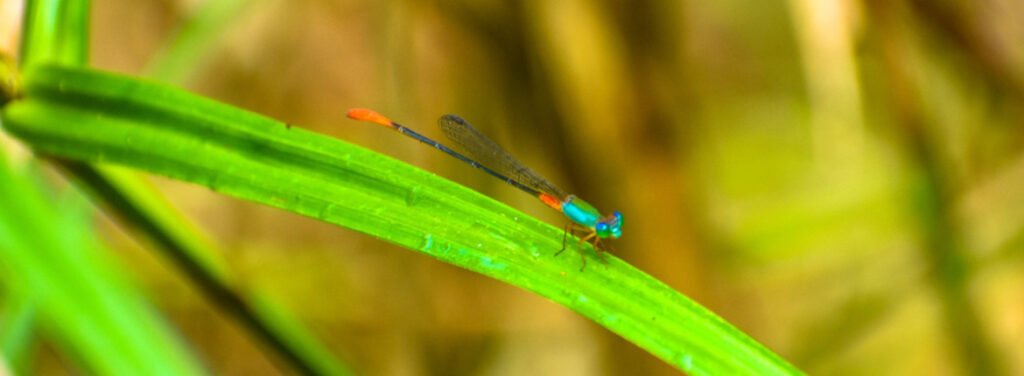
A Damselfly Discovery and a Decade of Science in Sumatra’s Peat Forests
APRIL Group Declares Fire Danger Period in Riau Concessions Areas
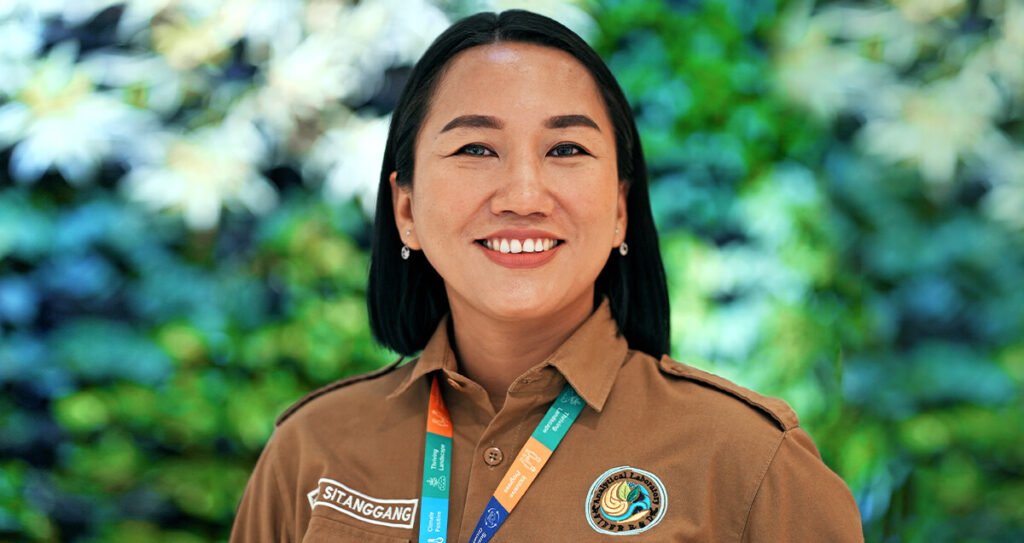
Meet the team: How Dian Atma Sitanggang helped build APRIL’s R&D lab
Strengthening Impact: APRIL Group publishes 2025 Sustainability report