
Climate Positive
We are implementing science-based solutions to significantly mitigate our carbon emissions and environmental impacts.
Contributing to SDGs:


ADDRESSING THE CLIMATE CRISIS
Tackling the Issue from Multiple Angles
We are serious about playing our part to keep global warming below the critical 1.5°C threshold. Our strategies cover both the mitigation and adaptation aspects of climate action. For adaptation, we help build ecosystem resilience through nature-based climate solutions such as forest conservation and restoration. For mitigation, we focus on operational decarbonisation and on sustainable forest management, investing in research and technologies to accurately measure, monitor, and respond to GHG emissions fluxes across our land bank.
At our fibre operations, we’ve increased our use of clean and renewable energy from 19% when we first started in 2019, to 33% in 2024.
OUR CARBON FOOTPRINT
The Journey to Net Zero
To reach net zero emissions status from our land use by 2030, we’ve implemented nature-based climate solutions, such as sustainable forest management and forest conservation and restoration, underpinned by our pledge to zero deforestation and conversion. We expanded our research into responsible peatland management, which helped us show how conservation and restoration of peat swamp forests could help us avoid emissions. We’ve also registered a carbon-offset project at RER, and pledge to reinvest any carbon revenue back into our forest conservation efforts.
OUR ENERGY MANAGEMENT
Focus on Efficiency and Renewables
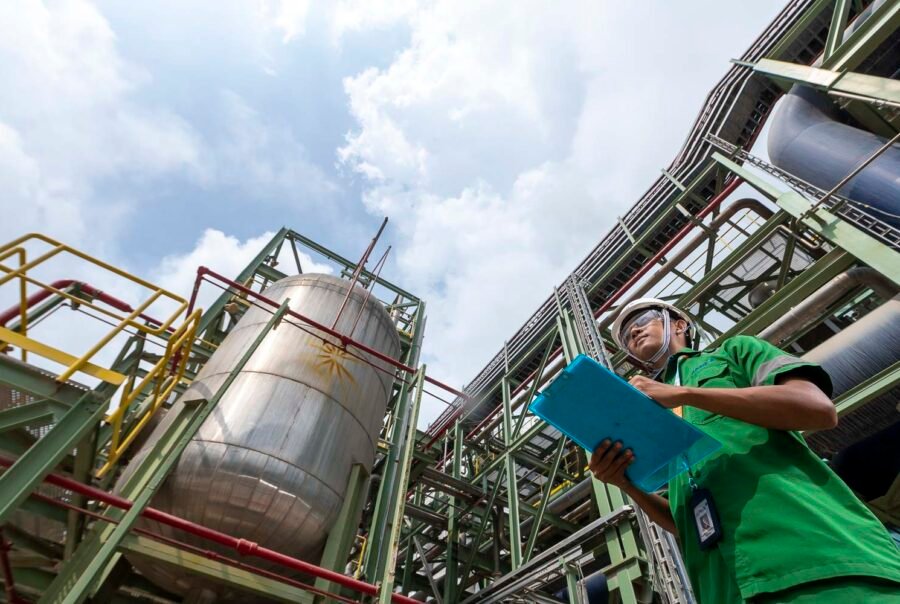
Energy management is a critical part of our Climate Positive commitment, because it helps us move closer to our goal of decarbonising our operations. The aim is to reach two energy management targets under our Climate Positive commitment by 2030:
- Supply 90% of our mill’s energy needs with renewables and clean energy.
- Use renewables and clean energy to meet 50% of our fibre operation’s energy demands.
We continue to make improvements at our mill and fibre plant to keep us on track with these targets. In 2023, we commissioned a new methanol plant to strengthen recovery of this renewable energy source and optimised our boilers’ capacity to improve how we refine biomass. We’ve also increased our biodiesel fuel blend and are steadily transitioning to electric vehicles and rolling out solar power. From a standing start in 2020, we reached almost 40MW of installed solar capacity in 2025, meaning we reached our end of decade target six years early. We have since doubled the target to 50MW.