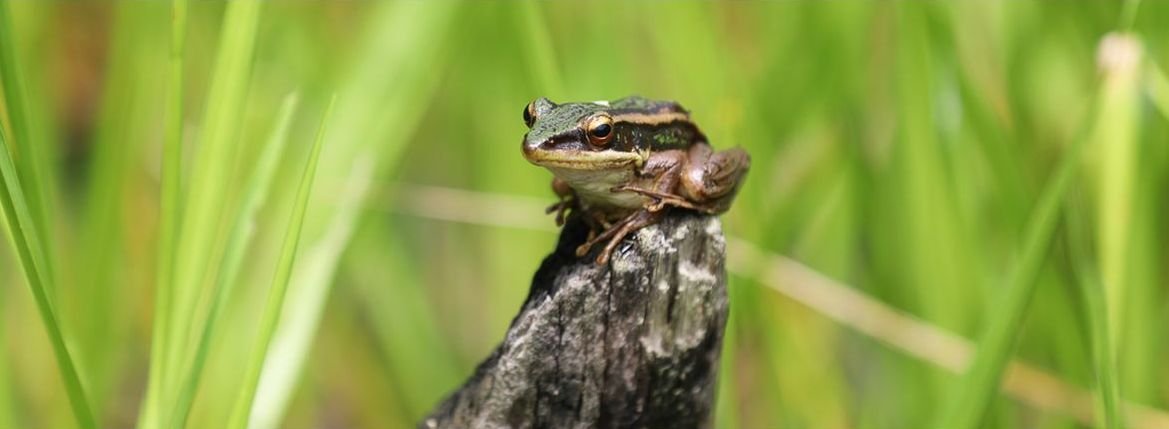
• Tim lapangan mencatat tambahan 26 jenis tumbuhan dan satwa sepanjang tahun, meningkatkan jumlah total spesies tercatat menjadi 823 spesies
  • Kemajuan penting yang dicapai antara lain termasuk mendukung Kementerian Lingkungan Hidup dan Kehutanan untuk mengembalikan Harimau Sumatra yang telah direhabilitasi ke alam liar

Peningkatan jumlah spesies tumbuhan dan satwa tercatat, penelitian tentang keanekaragaman hayati di daerah tersebut, dan dukungan terhadap upaya pelepasliaran Harimau Sumatra yang telah direhabilitasi adalah beberapa kemajuan penting, yang tercakup dalam Laporan Kemajuan Restorasi Ekosistem Riau (RER) 2020 terbaru.

Program RER berpusat pada perlindungan hutan gambut tropis yang rentan seluas 150.693 hektare – kurang lebih seluas kota London – di pantai timur Sumatra, yang terletak di Semenanjung Kampar dan Pulau Padang. Program yang dimulai pada 2013, merupakan salah satu upaya restorasi ekosistem terbesar di Asia Tenggara yang didukung oleh sektor swasta.

Kemajuan pada 2020 tetap dicapai meskipun keseluruhan operasi terdampak oleh pandemi. Bey Soo Khiang, Ketua Dewan Penasihat Restorasi Ekosistem Riau (RER), dalam pengantar laporannya mengatakan, “Semua orang memahami bahwa 2020 adalah salah satu tahun tersulit yang pernah dihadapi. Hal ini tidak berbeda dengan Restorasi Ekosistem Riau (RER), dimana pandemi Covid-19 menguji keteguhan dan ketangguhan kita.”

“Sementara beberapa program atau prakarsa terganggu atau tertunda sepanjang tahun, saya dengan bangga melaporkan bahwa terlepas dari tantangan akibat pembatasan perjalanan dan jarak sosial, tim kami mempertahankan fokus dan kesejahteraan mereka dan mencapai kemajuan luar biasa,” tambahnya.

Tambahan 26 jenis tumbuhan dan satwa lain yang tercatat
Sebanyak 823 jenis tumbuhan dan satwa tercatat di kawasan RER per 31 Desember 2020, meningkat dari 797 spesies jika dibandingkan dengan tahun sebelumnya. Angka itu termasuk 76 jenis mamalia, 308 burung, 101 herpetofauna, dan 192 tumbuhan. Banyak diantaranya yang menjadi perhatian konservasi, dengan 66 spesies masuk dalam Daftar Merah IUCN sebagai rentan (39), terancam punah (17) atau kritis (10).

57 spesies Odonata, ordo serangga terbang yang mencakup capung dan capung jarum tercatat pada survei pertama dari total empat survei yang direncanakan. Dari jumlah tersebut, sembilan spesies tercatat pertama kali di Riau, empat pertama kali tercatat di Sumatra, dan satu spesies Amphicnemis bebar, tercatat untuk pertama kali di Indonesia.

Pelepasliaran Harimau Sumatra
Tim RER juga ikut dalam upaya Kementerian Lingkungan Hidup dan Kehutanan untuk mengembalikan Harimau Sumatra bernama Corina ke alam liar. Satwa langka itu ditemukan di awal 2020 terjerat di perkebunan masyarakat di Semenanjung Kampar. Kawasan restorasi RER terpiih menjadi tempat pelepasliaran Corina setelah melalui serangkaian kajian dengan mempertimbangkan keadaan alam hutan, keberadaan jenis mangsa dan upaya perlindungan aktif, serta kemungkinan interaksi dengan manusia yang relatif rendah.

Selesainya Pembangunan Eco-Research Camp
Setelah empat tahun perencanaan dan pembangunan, APRIL Eco-Research Camp, atau Eco-Camp akhirnya selesai dibangun pada 2020. Eco-Camp menjadi pusat operasi dan kantor lapangan untuk program RER. Selain juga akan berfungsi sebagai pusat penelitian lahan gambut bagi para mahasiswa, peneliti dan perwakilan perusahaan serta pemangku kepentingan lainnya untuk meneliti cara-cara potensial dalam mengelola sumber daya lahan gambut tropis Indonesia secara bertanggung jawab.

Penelitian dan Pemantauan Keanekaragaman Hayati yang Terus Berlanjut
Penelitian yang dilakukan di tahun 2020 mencakup pemantauan migrasi burung pemangsa, yang jumlahnya tercatat mencapai 302 burung, serta Sensus Burung Air Asia (Asian Waterbird Census, AWC) yang memantau 440 burung dari delapan spesies dalam sehari. Sebuah Occupancy Survey mengenai Harimau Sumatra di Semenanjung Kampar juga diselesaikan pada bulan Maret 2020. Survei ini adalah bagian dari Sumatra Wide Tiger Survey (SWTS).

Penelitian mengenai Efek Tepian juga dilanjutkan pada tahun ini. Kajian ini bertujuan untuk memahami kekayaan jenis mamalia dan burung di area tepian atau perbatasan antara hutan rawa gambut RER dan hutan tanaman industri akasia di dekatnya.

Baca lebih lanjut mengenai 2020 RER Progress Report.

svg+xml;charset=utf — APRIL Asia
sustainable growth — APRIL Asia

Method

Waste disposed is recorded through various means of measurement including estimation of weight by waste type. Particular waste types as described above are measured as a wet waste and converted to a bone dry (BD) weight. The wet waste weight is multiplied by the consistency of each waste type to determine the BD. The consistency is predetermined by the lab.

Baseline
71kg/T

Performance 2022

On Track

sustainable growth — APRIL Asia

Method

The DPTW utilisation rate and % of textile waste per tonne of product will be based on R&D lab/pilot/demo procedures.

Baseline
0%

Performance 2022

In Development

sustainable growth — APRIL Asia

Method

Water consumption per tonne of product is calculated based on water consumed in the production of saleable pulp, paper, viscose staple fiber and viscose yarn measured by flow meters, via calculation and water balances divided by the production figures for saleable pulp, paper, viscose staple fibre and viscose yarn.

Baseline
28 m3/T

Performance 2022

Not Progressing

sustainable growth — APRIL Asia

Method

Soda content within the liquor cycle and losses are determined by means of mass balance based on daily lab analysis.

Lime volume in the lime kiln and losses are determined by means of lime make-up.

The recovery rate is calculated net of the percentage of make-up amounts added. The annual figure is based on the average monthly recovery rate.

Baseline
96%

Performance 2022

Not Progressing

inclusive progress — APRIL Asia

Method

Number of Mill and Nursery contractor calculated based on Man Power data which grouped by gender level calculated as a monthly average.

Baseline
2571

inclusive progress — APRIL Asia

Method

The number of own and supply partners employees is calculated based on year-end Man Power data which is grouped by gender. The identification of leadership position refer to employees’ grade D2 or Manager level and above.

Baseline
55 women employees in leadership positions

Performance 2022

Progressing

inclusive progress — APRIL Asia

Method

Women’s effective participation is identified from the participation list for each program. Percentage of female participation is calculated by the number of women participating divided by the total participants.

Baseline
34%

Performance 2022

Progressing

inclusive progress — APRIL Asia

Method

In development

Baseline
In development

Performance 2022

Progressing

inclusive progress — APRIL Asia

Method

In development

Baseline
In development

Performance 2022

Progressing

inclusive progress — APRIL Asia

Method

In development

Baseline
In development

Performance 2022

Progressing

inclusive progress — APRIL Asia

Method

We engaged third party to conduct assessment in APRIL-supported schools using the framework that was developed by Research Triangle Institute (RTI) and USAID.

Baseline
In development

Performance 2022

Progressing

inclusive progress — APRIL Asia

Method

Poverty mapping is identified through:

  1. Desktop analysis using National Statistics, Village Potential Statistics, SMERU Poverty Map.
  2. On-the-ground verification through FGD, village transect walk, interview with community.

Baseline
3%

Performance 2022

Progressing

thriving landscapes — APRIL Asia

Method

Peer-reviewed scientific journal publication standards

Baseline
1

Performance 2022

On Track

thriving landscapes — APRIL Asia

Method

Documentation of Participation (presentation of papers or posters) in national and international dialogues, workshops and conferences

Baseline
6

Performance 2022

On Track

thriving landscapes — APRIL Asia

Method

Number of scientists from universities and research institutions that have collaborated with APRIL on peatland management during the calendar year

Baseline
9

Performance 2022

On Track

thriving landscapes — APRIL Asia

Method

Wood deliveries (excluding open market supply) to the mill are used as a basis to calculate MAI (Tonnes/ Ha/Yr). The MAI is based on the 3 year area weighted rolling average growth for all closed compartments.

Baseline
20T/ha/yr

Performance 2022

On Track

thriving landscapes — APRIL Asia

Method

Methodology to be developed specific to animal species and does not include plants. Qualifying initiatives may vary widely in nature but must have the animal protection as the primary objective.

Partnerships will be developed and documented in line with an overarching strategy prioritizing stakeholders and threats specific to the country of Indonesia assessed.

Performance 2022

Progressing

thriving landscapes — APRIL Asia

Method

May include various initiatives relating to conservation of RTE species to be defined in a priority list, initiatives may be conducted solely or in collaboration with other stakeholders.

Baseline
2

thriving landscapes — APRIL Asia

Method

Methodology to be developed to measure change in ecosystem services and values over time (carbon sequestration, water provision, resource provision including fish and honey)

Baseline
not yet developed

thriving landscapes — APRIL Asia

Method

Reports for reforestation of previously encroached and degraded area including all areas where assisted natural regeneration, planting or enrichment planting of species that improve habitat value have taken place during the year but excludes natural regeneration.

Baseline
275 ha

Performance 2022

Progressing

thriving landscapes — APRIL Asia

Method

Area within conservation is derived from land bank which is based on land cover analysis and is updated annually to capture any boundary changes, land use changes or measurement data.

Baseline
0 ha Net loss

Performance 2022

Not Progressing

thriving landscapes — APRIL Asia

Method

Landscape conservation funding includes restoration and conservation costs associated with the RER as well as the allocation of a proportion of the costs related to APRIL’s maintenance of conservation values under its production-protection model. The allocation is based on proportionate amount of each cost that is related to conservation and restoration.

The wood volume is based on wood delivered to the Mill.

Baseline
USD$0.7 per tonne of plantation fiber

Performance 2022

On Track

climate positive 1 — APRIL Asia

Method

Mill

Calculate from the records of fuel types used the amount consumed in boilers to generate power, heat and steam including energy use for mobile & including transportation. Each of the fuel types are converted to energy expressed by Giga Joule Lower Heating Value (GJ LHV) following the IPCC guidelines.

Baseline: 87%

Performance 2022

On Track

Forest Operations

Calculate from the records of fuel types the quantity consumed by major categories of forest management activities by Fiber operations.

This covers energy used for Forest operations, infrastructure including wood transport from estate to mill; When a blend of fuel types is used (such as B20) the contribution to renewable and cleaner energy targets is calculated separately for each fuel rather than considering the blend as a cleaner fuel type.

Baseline: 19%

Performance 2022

Progressing

climate positive 1 — APRIL Asia

Method

APRIL follows the international GHG protocol as developed by WRI/WBCSD to develop its emissions profile. The total emissions measured as emissions intensity is calculated based on tonnes of Scope 1 and 2 Mill Greenhouse Gas Emissions per tonne of product (paper, pulp and viscose). The emissions boundary scope covers gate-to-gate (wood processing in wood yard until pulp, paper and viscose production) of the three main GHGs: CO2, CH4, and N2O.

Baseline
0.55 tCO2e/product tonne

Performance 2022

On Track

climate positive 1 — APRIL Asia

Method

To quantify the total GHG emission and removals across APRIL’s land bank from land use, APRIL follows the GHG Protocol Agricultural Guidance and IPCC Guidelines for Agricultural, Forestry, and Other Land Use. To detect the land cover change within the look-back period, i.e. 20 years APRIL utilized the remotely sensed data.

The GHG emission will be calculated as the total of carbon stock changes in woody biomass and soil organic carbon and include all major carbon fluxes such as peat decomposition, plantation growth and harvesting, and fires.

To quantify the amount of carbon unit to balance the emission, the Verified Carbon Standard (VCS), the Climate, Community and Biodiversity Standards (CCB), or other internationally accepted standard will be used.

Performance 2022

Progressing

This site is registered on wpml.org as a development site. Switch to a production site key to remove this banner.