アル・アザールは、長い学究生活を通じて口承文化に深い関心を持ってきました。口承文化は、人と自然の調和した関係について教訓とすべき示唆を与えてくれると、アル・アザールは語ります。

マレーには豊かな口承文化の伝統があります。さまざまな種類がある口承文化のなかでも、パントゥンは、古くから変わらぬ定式を持ち、日本の俳句と似ていなくもない四行詩です。1行は8~12音節、定まった韻律で謳われ、1行目と3行目、2行目と4行目が韻を踏みます。パントゥンはつかみどころがなく、素人には意味がよくわからないこともあります。しかし、アル・アザールのみるところ、パントゥンは人間の環境との関係――相互のつながりの真髄を表象しています。

「口承文学には生態学的決定論が礎にあると思います。子どもの私が学校で教わった文学の先生は素晴らしい人物でした。文学は精神の自由への扉だということを、私はこの先生から学びました。もっとも、大人になってから、自由への扉である同時に一種の監獄すなわち知識に至る道であることも実感しましたが・・・」
profile crop — APRIL Asia

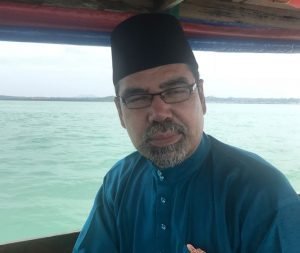
エイプリル社ステークホルダー諮問員会メンバー、アル・アザール

アル・アザールの立ち位置は文学と森林保護の境界線上にあり、二つをつなぐ稀有な架け橋です。この立ち位置が、エイプリル社ステークホルダー諮問委員会メンバーとしての役割に独自の視座を与えています。「環境は今、危機に瀕していると思います」と、アル・アザールは言葉を続けます。

「環境のダメージは文化のダメージ、霊魂と精神そして文明へのダメージでもあると思います。その思いから、私はSACメンバーになったのです。このダメージを、小さな一部分にすぎないけれど、癒す手伝いをしたいと思ったのです。エイプリル社は、少なくとも、私が必要だと思う変化への扉を開こうとしていると思います。」

アル・アザールは、リアウ州カンプンの小さな村で生まれました。村は豊かな森林に囲まれています。近在の学校に通った少年時代、村の子ども皆と同じく、いつも遊び場は森でした。「自然」は三つ子の魂に深く刷り込まれたのです。成績が良かったアル・アザールは、プカンバル大学に進学しインドネシア文学を学びました。アル・アザールは指摘します:「マレー文化の歴史の位置づけは西洋と同じではありません。西洋では歴史は文字に書かれた記録ですが、マレー文化における歴史は、詩歌、物語、子守歌として暗唱されるものなのです。」

「私がパントゥンを愛する理由は、ここにあります。そして、マレー口承伝統への私の関心の源もそこにあるのです。もちろん、子供時代の環境ともつながっています。パントゥンの多くは、人間、コミュニティ、生態、世界の間の本質的つながりを、世界観として表現しています。そして、この口承文学には、景観がどのように管理可能かについても教訓が示されています。つまり、人と自然のバランス、双方に便益となるようにすることです。今日の私たちは、その理解を失ってしまったようにみえるのです。」

1989年、学士号を取得し家庭を築きプカンバルで文学を教えていたアル・アザールに、オランダのレイデン大学の修士課程に進学するチャンスが舞い込みました。「オランダの寒さはカルチャーショックでした」と笑うアル・アザールは、人文学部で2人のインドネシア人学生の一人として東南アジア文学を専攻し、修士号を取得後はマレーおよびインドネシア現代・古典文学の講師となりました。

オランダ暮らしが4年になったころ、博士課程への進学の機会がありました。しかし「ちょうど、インドネシアは政変の真っただ中にあり、私は母国に帰ることにしました。インドネシアの政治の変化を直接肌身に感じたかったのです。私は、プカンバルに戻り、マレーの伝統的口承文学の研究を続けるほうを選んだのです。」文字に書かれた文学と口承文学は別物だという認識が文学が根差す生態系に目を開かせてくれたと、アル・アザールはいいます。「口承文学では、森と社会は分離できないものです。物語に耳を傾けるとき、木々も鳥も花も、そして人間も『一つのもの』として見えてきます。文字文学との決定的な違いです。」

口承文学はメタファーに富んでいます。「大地は、単に土ではなく、母です。空は父なるものの象徴です。そして、空と大地をつなぐ架け橋が木です。私にとって、今日のインドネシアの環境問題は、単に量や規模の問題ではなく、人間が森林や広く環境との間に関係を築く道が失われていることなのです。」

経済発展を重視した過去の政策は、天然資源の大規模な破壊をもたらしました。狙いは良くても、方法が間違っていたのです。「政府は、大企業が天然資源を使用することで、国全体に波及効果が生まれると期待したのですが、富の再分配がうまくいかなかったために、ことは予想通りには運ばなかったのです。ここに問題がありました。」

研究者であると同時に根はスピリチュアルなアル・アザールは、自分ならまったく新しいパースペクティブを持ち込めると考え、SACメンバーになるという思い切った行動に出ました。周囲もアル・アザールなら可能だと期待しています。「一般の人々にもっと門戸開放するよう働きかけたいと思いました。人は、より良い暮らしという夢を実現させるために大企業に入ります。会社はある種の変化を可能にする道を開こうとしている、私はその変化が必要だと感じている、そして私は会社に助力できる――三拍子そろったと私は感じたのです。」

アル・アザールは、リアリストでもあります。大企業は簡単には変わらないこともわかっています。「私たちは、うわべを取り繕った世界で、存在しなくなれば万事が良くなるという仮定の上に生きていくことはできません。ベストの選択肢は、変化が望ましいのであれば、大企業が変化すること、望ましい方向への変化を手助けすることです。たぶん、SACメンバーとして、私はエイプリル社が(私の思う)正しい方向に進む一助となる様々なアイディアを提供できるでしょう。今日の環境関連の議論の多くは過去のあやまちについてですが、私たちのすべき仕事は、将来のあやまちを回避することです。行動の変化を可能とし、透明でオープンな状況を実現することです。ビジネスは、そこで働く人々、周囲のコミュニティ、そしてビジネスの基盤となっている景観と同様に、環境の一つの構成要素です。」

アル・アザールは根っからの楽観主義者です。ビジネスと環境の間の力関係には課題が山積みであること、そして公共政策はもっと有効なものとなるべきことを認めつつも、変化は始まっており実現に向かっていると信じています。「問題は、遅すぎる速度とはどのくらいの遅速かということです。現在はのろのろペースですが、将来的には加速するだろうと希望を持っています。きっとスピードアップすると確信しています。」

Sungai Dua di atas bukit

Elang bersarang di kuala

Bulan dua sekali terbit

Pilih yang terang cahayanya

(2本の川が丘を走り

入り江には鷲が巣を作る

2つの月がともに上るとき

明るいほうを選びなさい)

svg+xml;charset=utf — APRIL Asia
sustainable growth — APRIL Asia

Method

Waste disposed is recorded through various means of measurement including estimation of weight by waste type. Particular waste types as described above are measured as a wet waste and converted to a bone dry (BD) weight. The wet waste weight is multiplied by the consistency of each waste type to determine the BD. The consistency is predetermined by the lab.

Baseline
71kg/T

Performance 2022

On Track

sustainable growth — APRIL Asia

Method

The DPTW utilisation rate and % of textile waste per tonne of product will be based on R&D lab/pilot/demo procedures.

Baseline
0%

Performance 2022

In Development

sustainable growth — APRIL Asia

Method

Water consumption per tonne of product is calculated based on water consumed in the production of saleable pulp, paper, viscose staple fiber and viscose yarn measured by flow meters, via calculation and water balances divided by the production figures for saleable pulp, paper, viscose staple fibre and viscose yarn.

Baseline
28 m3/T

Performance 2022

Not Progressing

sustainable growth — APRIL Asia

Method

Soda content within the liquor cycle and losses are determined by means of mass balance based on daily lab analysis.

Lime volume in the lime kiln and losses are determined by means of lime make-up.

The recovery rate is calculated net of the percentage of make-up amounts added. The annual figure is based on the average monthly recovery rate.

Baseline
96%

Performance 2022

Not Progressing

inclusive progress — APRIL Asia

Method

Number of Mill and Nursery contractor calculated based on Man Power data which grouped by gender level calculated as a monthly average.

Baseline
2571

inclusive progress — APRIL Asia

Method

The number of own and supply partners employees is calculated based on year-end Man Power data which is grouped by gender. The identification of leadership position refer to employees’ grade D2 or Manager level and above.

Baseline
55 women employees in leadership positions

Performance 2022

Progressing

inclusive progress — APRIL Asia

Method

Women’s effective participation is identified from the participation list for each program. Percentage of female participation is calculated by the number of women participating divided by the total participants.

Baseline
34%

Performance 2022

Progressing

inclusive progress — APRIL Asia

Method

In development

Baseline
In development

Performance 2022

Progressing

inclusive progress — APRIL Asia

Method

In development

Baseline
In development

Performance 2022

Progressing

inclusive progress — APRIL Asia

Method

In development

Baseline
In development

Performance 2022

Progressing

inclusive progress — APRIL Asia

Method

We engaged third party to conduct assessment in APRIL-supported schools using the framework that was developed by Research Triangle Institute (RTI) and USAID.

Baseline
In development

Performance 2022

Progressing

inclusive progress — APRIL Asia

Method

Poverty mapping is identified through:

  1. Desktop analysis using National Statistics, Village Potential Statistics, SMERU Poverty Map.
  2. On-the-ground verification through FGD, village transect walk, interview with community.

Baseline
3%

Performance 2022

Progressing

thriving landscapes — APRIL Asia

Method

Peer-reviewed scientific journal publication standards

Baseline
1

Performance 2022

On Track

thriving landscapes — APRIL Asia

Method

Documentation of Participation (presentation of papers or posters) in national and international dialogues, workshops and conferences

Baseline
6

Performance 2022

On Track

thriving landscapes — APRIL Asia

Method

Number of scientists from universities and research institutions that have collaborated with APRIL on peatland management during the calendar year

Baseline
9

Performance 2022

On Track

thriving landscapes — APRIL Asia

Method

Wood deliveries (excluding open market supply) to the mill are used as a basis to calculate MAI (Tonnes/ Ha/Yr). The MAI is based on the 3 year area weighted rolling average growth for all closed compartments.

Baseline
20T/ha/yr

Performance 2022

On Track

thriving landscapes — APRIL Asia

Method

Methodology to be developed specific to animal species and does not include plants. Qualifying initiatives may vary widely in nature but must have the animal protection as the primary objective.

Partnerships will be developed and documented in line with an overarching strategy prioritizing stakeholders and threats specific to the country of Indonesia assessed.

Performance 2022

Progressing

thriving landscapes — APRIL Asia

Method

May include various initiatives relating to conservation of RTE species to be defined in a priority list, initiatives may be conducted solely or in collaboration with other stakeholders.

Baseline
2

thriving landscapes — APRIL Asia

Method

Methodology to be developed to measure change in ecosystem services and values over time (carbon sequestration, water provision, resource provision including fish and honey)

Baseline
not yet developed

thriving landscapes — APRIL Asia

Method

Reports for reforestation of previously encroached and degraded area including all areas where assisted natural regeneration, planting or enrichment planting of species that improve habitat value have taken place during the year but excludes natural regeneration.

Baseline
275 ha

Performance 2022

Progressing

thriving landscapes — APRIL Asia

Method

Area within conservation is derived from land bank which is based on land cover analysis and is updated annually to capture any boundary changes, land use changes or measurement data.

Baseline
0 ha Net loss

Performance 2022

Not Progressing

thriving landscapes — APRIL Asia

Method

Landscape conservation funding includes restoration and conservation costs associated with the RER as well as the allocation of a proportion of the costs related to APRIL’s maintenance of conservation values under its production-protection model. The allocation is based on proportionate amount of each cost that is related to conservation and restoration.

The wood volume is based on wood delivered to the Mill.

Baseline
USD$0.7 per tonne of plantation fiber

Performance 2022

On Track

climate positive 1 — APRIL Asia

Method

Mill

Calculate from the records of fuel types used the amount consumed in boilers to generate power, heat and steam including energy use for mobile & including transportation. Each of the fuel types are converted to energy expressed by Giga Joule Lower Heating Value (GJ LHV) following the IPCC guidelines.

Baseline: 87%

Performance 2022

On Track

Forest Operations

Calculate from the records of fuel types the quantity consumed by major categories of forest management activities by Fiber operations.

This covers energy used for Forest operations, infrastructure including wood transport from estate to mill; When a blend of fuel types is used (such as B20) the contribution to renewable and cleaner energy targets is calculated separately for each fuel rather than considering the blend as a cleaner fuel type.

Baseline: 19%

Performance 2022

Progressing

climate positive 1 — APRIL Asia

Method

APRIL follows the international GHG protocol as developed by WRI/WBCSD to develop its emissions profile. The total emissions measured as emissions intensity is calculated based on tonnes of Scope 1 and 2 Mill Greenhouse Gas Emissions per tonne of product (paper, pulp and viscose). The emissions boundary scope covers gate-to-gate (wood processing in wood yard until pulp, paper and viscose production) of the three main GHGs: CO2, CH4, and N2O.

Baseline
0.55 tCO2e/product tonne

Performance 2022

On Track

climate positive 1 — APRIL Asia

Method

To quantify the total GHG emission and removals across APRIL’s land bank from land use, APRIL follows the GHG Protocol Agricultural Guidance and IPCC Guidelines for Agricultural, Forestry, and Other Land Use. To detect the land cover change within the look-back period, i.e. 20 years APRIL utilized the remotely sensed data.

The GHG emission will be calculated as the total of carbon stock changes in woody biomass and soil organic carbon and include all major carbon fluxes such as peat decomposition, plantation growth and harvesting, and fires.

To quantify the amount of carbon unit to balance the emission, the Verified Carbon Standard (VCS), the Climate, Community and Biodiversity Standards (CCB), or other internationally accepted standard will be used.

Performance 2022

Progressing

This site is registered on wpml.org as a development site. Switch to a production site key to remove this banner.