APRIL berkomitmen untuk menyediakan pasokan bagi konsumen, termasuk APR, dengan produk legal100%, bersertifikat dan berkelanjutan yang diproduksi oleh hutan tanaman industri. APRIL terus melaporkan kemajuan dan tantangan secara transparan serta akan mematuhi persyaratan pemasok APR terutama ketika APRIL mulai memasok pulp terlarut di tahun 2019.
Canopy merilis laporan terbaru berjudul Hot Button Ranking Global Viscose Producers yang mencakup pernyataan-pernyataan luas dan tidak akurat hingga meniadakan fakta-fakta penting mengenai komitmen komprehensif APRIL dalam keberlanjutan dan serta latar belakang dari pasokannya kepada produsen viscose Asia Pacific Rayon (APR) ketika memulai operasi nanti pada tahun 2019.
Di dalam Kebijakan Pengelolaan Hutan Berkelanjutan (SFMP), APRIL sepenuhnya berkomitmen untuk: tidak melakukan deforestasi dan tidak melakukan pengembangan baru di lahan gambut. Hal ini dibuktikan dengan audit pihak ketiga independen KPMG serta pengawasan dari Komite Penasihat Pemangku Kepentingan APRIL (SAC); perlindungan lanskap luas dan program restorasi hutan gambut, termasuk komitmen untuk melestarikan dan melindungi satu hektar hutan untuk setiap hektar hutan tanaman industri dan restorasi aktif 150.000 hektar hutan ekologis penting di Provinsi Riau yang merupakan bagian dari program Restorasi Ekosistem Riau (RER); serta implementasi Roadmap Lahan Gambut bersama dengan Kelompok Ahli Gambut Independen (IPEWG) yang didukung oleh penelitian inovatif tentang emisi gas rumah kaca.
Sejak 2015, APRIL dan Canopy telah bertemu beberapa kali dan APRIL telah menyampaikan berbagai perspektif dan pemahaman kontekstual tentang lanskap di Sumatera di mana perusahaan beroperasi. Canopy juga telah mengunjungi operasi APRIL dan daerah restorasi RER. Keterlibatan ini dipimpin oleh Chairman APRIL, Bey Soo Khiang dan juga perwakilan dari SAC, IPEWG, serta penasihat konservasi dan restorasi APRIL dengan tujuan untuk memberikan pemahaman mengenai kemajuan dan tantangan APRIL dalam pelaksanaan komitmen keberlanjutannya. Oleh karena itu, APRIL merasa kecewa dengan laporan yang dirilis Canopy baru-baru ini.
Dasar dari penilaian Canopy adalah definisi terbatas dari apa yang diklasifikasikan sebagai hutan ‘Purba dan Terancam Punah” yang dapat dilihat di peta Canopy sendiri, di mana seluruh daratan Sumatera di Indonesia ditandai sebagai ‘Purba dan Terancam Punah, sehingga menyiratkan sumber pasokan fibre yang dianggap kontroversial.
Kategorisasi ini tidak mencerminkan kenyataan lapangan di Sumatera, di mana lebih dari 50 juta orang hidup dan berpartisipasi dalam pengembangan ekonomi yang mendukung berbagai penggunaan lahan pertanian dan kegiatan manufaktur yang berkelanjutan. Posisi ini pada dasarnya menjadikan setiap pengerjaan lahan pertanian dan kehutanan yang berkelanjutan di Sumatera memiliki risiko tinggi, terlepas dari kedudukan hukumnya atau kepatuhannya dengan standar internasional. Hal ini bertentangan dengan dasar konstruktif dalam mendorong bisnis berkelanjutan ke depan.
Pandangan Canopy ini juga mengabaikan potensi pembangunan yang lebih luas di Indonesia, di mana keseimbangan antara kebutuhan ekonomi, masyarakat dan lingkungan penting untuk dilakukan guna menjaga pertumbuhan populasi dan mempromosikan bisnis yang berkelanjutan serta melindungi ekosistem di seluruh lanskap.
Prinsip bahwa konservasi dan restorasi hutan dapat berjalan beriringan dengan pembangunan yang bertanggung jawab telah lama diterima oleh banyak LSM, kelompok masyarakat sipil dan program sertifikasi.
APRIL yakin hal tersebut dapat dicapai melalui model bisnis yang mengutamakan perlindungan-produksi-penyertaan yang mencakup komitmen pengelolaan lahan gambut yang bertanggung jawab, restorasi hutan dan konservasi yang didukung oleh praktik dan penelitian berbasis ilmiah. Dengan upaya restorasi hutan yang terus dilakukannya, semangat APRIL sangat selaras dengan inisiatif konservasi Canopy. Hal ini tercermin dari investasi perusahaan senilai 100 juta dolar AS selama sepuluh tahun untuk konservasi atau restorasi kawasan hutan gambut ekologis penting di Semenanjung Kampar dan Pulau Padang di Sumatra, Indonesia.
Fakta-fakta terkait komitmen keberlanjutan APRIL adalah:
- SFMP APRIL berkomitmen untuk tidak melakukan deforestasi dan pengembangan baru di lahan gambut di seluruh rantai pasokannya[1], baik dari sumbernya sendiri maupun dari pemasok. Audit assurance tahunan pihak ketiga independen menunjukkan bahwa APRIL telah mematuhi komitmen ini dan terus mengembangkan kebijakan dan praktiknya dalam memenuhi harapan pemangku kepentingan.[2]
- Semua pasokan kayu APRIL – serta dissolving pulp yang akan dipasok ke APR setelah mulai beroperasi – berasal dari sumber-sumber hutan tanaman industri berkelanjutan yang disertifikasi berdasarkan standar pengelolaan hutan global.[3]
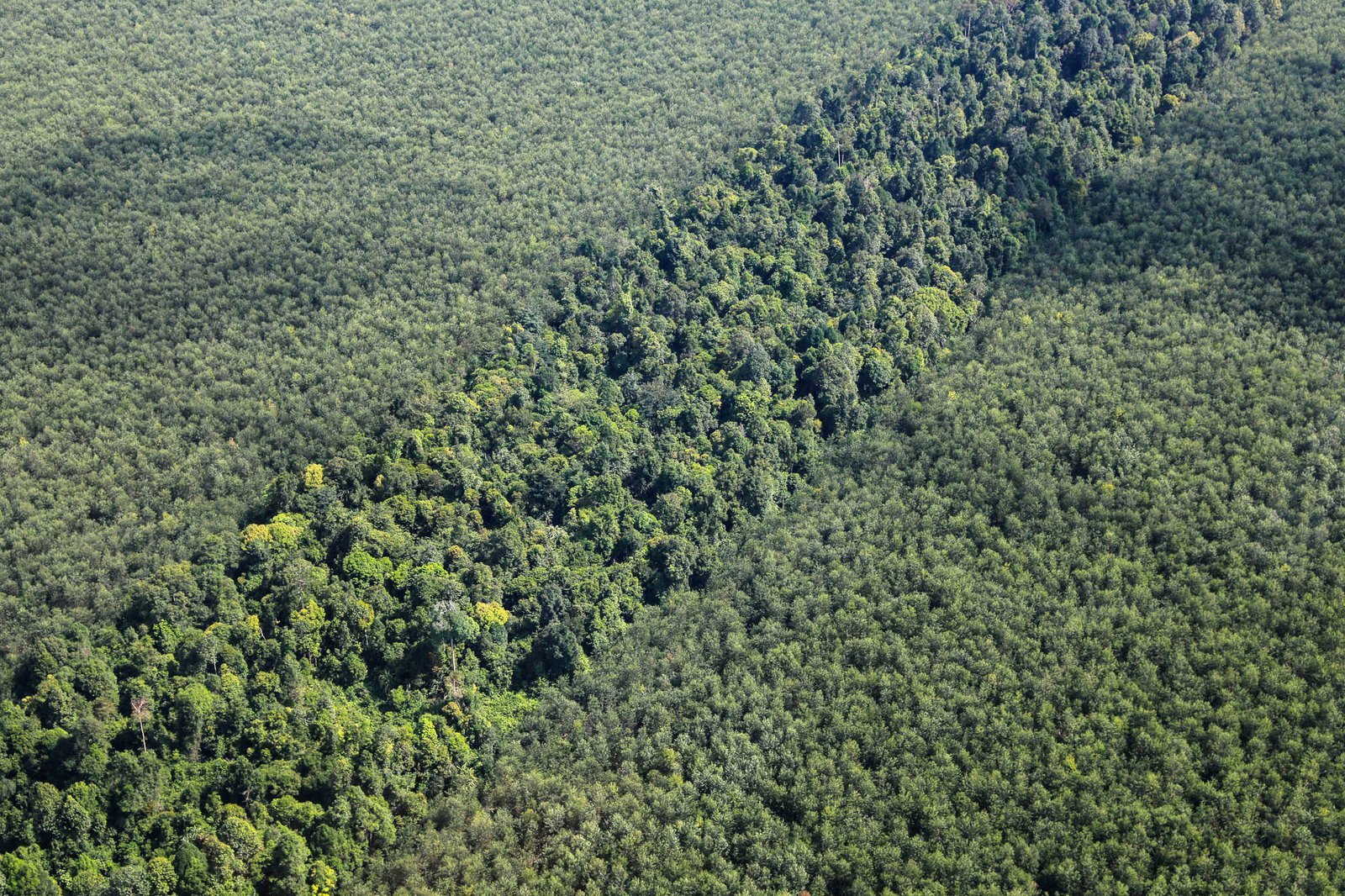
- Berdasarkan standar kerangka kerja industri termasuk Nilai Konservasi Tinggi (HCV), Stok Karbon Tinggi (HCS) dan penilaian lainnya, APRIL melakukan konservasi atau restorasi sekitar 369.420 hektar hutan di Indonesia, termasuk 150.000 hektar hutan gambut sebagai bagian dari program Restorasi Ekosistem Riau – yang bertujuan untuk mencapai target 1-untuk-1 di mana APRIL melindungi satu hektar hutan konservasi untuk setiap hektar hutan tanaman industri.[4]
- Beberapa daerah konsesi dan hutan tanaman industri APRIL berada di lahan gambut.[5] APRIL telah berusaha keras untuk secara efektif dan ilmiah mengelola lahan gambut guna menjaga kawasan NKT dan mengawasi tingkat air. Praktik ini terus diperbaiki seiring dengan berkembangnya ilmu pengetahuan terkait dan hasil penelitiannya mengenai emisi gas rumah kaca.[6]
- Kelompok Ahli Gambut Independen (IPEWG) dibentuk tahun 2016 bertujuan untuk memberikan rekomendasi berbasis ilmiah mengenai strategi pengelolaan lahan gambut yang bertanggung jawab kepada perusahaan.[7] IPEWG terdiri dari enam ahli lahan gambut dari Inggris, Finlandia dan Indonesia. Untuk memandu kerjanya dengan APRIL, IPEWG mengembangkan Roadmap Lahan Gambut[8] yang memiliki tiga komponen utama:
- Science-based understanding and minimising impacts based on science.
- Responsible peatland operations designed to minimise fires, optimise yields, improve community livelihoods and minimise subsidence.
- Pemahaman berbasis ilmiah dan meminimalkan dampak juga berdasarkan ilmiah.
- Operasi lahan gambut yang bertanggung jawab dirancang untuk menekan angka kebakaran, mengoptimalkan hasil, meningkatkan mata pencaharian masyarakat dan meminimalkan penurunan muka tanah.
- Mengembangkan visi lahan gambut jangka panjang berlandaskan kombinasi produksi, restorasi dan rehabilitasi yang dikelola secara bertanggung jawab.
- APRIL tidak membentuk pabrik pulp baru dan hanya mengubah salah satu jalur produksinya untuk dissolving pulp. Semua pasokan kayu harus sesuai dengan kebijakan keberlanjutannya.
- Meskipun proses kepemilikan dan pemetaan tanah yang rumit di Indonesia, APRIL tidak memiliki perselisihan sosial yang besar dengan masyarakat. Semua keluhan yang diajukan kepada perusahaan didokumentasikan di Sustainability Dashboard. APRIL bekerja langsung dengan pihak-pihak yang terlibat serta dengan pemerintah untuk menyelesaikan klaim-klaim tanah yang belum terselesaikan.
- Melalui operasi dan komitmen SFMP, APRIL telah dan akan terus memberikan kontribusi yang signifikan terhadap peluang pengembangan bagi komunitas lokal termasuk penciptaan ribuan pekerjaan dan perbaikan dalam infrastruktur masyarakat, pendidikan, serta perawatan kesehatan. Hal ini juga diuraikan dalam Laporan Keberlanjutan APRIL.[9]
Audit terbaru dari implementasi Kebijakan Keberlanjutan APRIL telah diselesaikan oleh KPMG PRI Kanada pada bulan Juli 2018 lalu.[10] Seperti dengan semua laporan assurance APRIL lainnya, temuan ini dipublikasikan untuk mendapatkan tinjauan dari semua pemangku kepentingan, yang selaras dengan komitmen transparansi perusahaan.
APRIL berkomitmen untuk menyediakan konsumen, termasuk APR, dengan 100% produk legal, bersertifikat dan berkelanjutan yang diproduksi di hutan tanaman industri dengan operasi manufaktur kelas dunia. APRIL akan terus melaporkan kemajuan dan tantangan secara transparan dan akan mematuhi persyaratan pemasok APR ketika APRIL mulai memasok dissolving pulp pada tahun 2019 mendatang.
Terlepas dari itu semua, APRIL tetap tertarik untuk terlibat dalam dialog konstruktif dengan Canopy, bersama dengan para pemangku kepentingan dan pelaku industri lainnya, khususnya dalam membentuk visi untuk viscose berkelanjutan yang seimbang, inklusif dan sadar akan kebutuhan, hak dan aspirasi masyarakat lokal di Indonesia.
[1] See: Sustainable Forest Management Policy 2.0, Section I and II
[2] ‘Report on APRIL Group’s Implementation of Sustainable Forest Management Policy 2.0,’ KPMG Performance Registrar Inc., July 2018
[3] See: ‘Report on APRIL Group’s Implementation of Sustainable Forest Management Policy 2.0,’ pp.17-26.
[4] ‘Empowering Development: APRIL Sustainability Report, 2017,’p.6.
[5] ‘Empowering Development: APRIL Sustainability Report, 2017,’p.6.
[6] ‘Empowering Development: APRIL Sustainability Report, 2017,’p.17.
[7] See: APRIL Sustainability Dashboard, ‘About IPEWG’
[8] See: APRIL Sustainability Dashboard, ‘Peatland Roadmap’
[9] ‘Empowering Development: APRIL Sustainability Report, 2017,’pp.23-27
[10] ‘Report on APRIL Group’s Implementation of Sustainable Forest Management Policy 2.0,’ KPMG Performance Registrar Inc., July 2018.