ランドスケープ・アプローチは、人と自然生態系は持ちつ持たれつの相互依存関係にあるという統合的かつ全体的観点に立脚した土地利用・管理プランニング理論であり、今も進化の途上にあります。

ランドスケープ・アプローチは、土地を単独で捉える限り土地保全は不可能であることを理解しています。この理解を踏まえ、持続可能な農・林産業を実践し天然資源の保全を図ることによって、ランドスケープ・アプローチは、保全、天然資源の利用、そして生活改善のバランスを模索します。

2017年9月、自然保護・回復関係の活動に携わる実務者34名が北カリマンタン州セトゥラング村に集いました。「教訓に学ぶランドスケープ・プラクティショナー・リトリート」と題するこの集いは、タナアイルベータ・ファウンデーションとジェームズクック大学を中心に企画されたもので、経験の共有や課題についての意見交換が行われました。

タナアイルベータ・ファウンデーションは、東南アジアおよび太平洋地域のチームと共に、陸海双方のランドスケープ(ランドスケープ&シースケープ)レベルにおける保全目標実現を目指し、学術知識および技術の共有のためのプラットフォームとして機能しています。同時に、人里離れた森林や沿岸地域におけるコミュニティの生活向上を支援しています。インドネシアでは、スマトラ、西&北カリマンタン、北スラウェシ、フローレス、ロンボク、西パプアの各地においてパートナーシップ確立に向けた動きが始まっています。

リトリートの集いでは、Qメソッド(環境調査における社会的パースペクティブを特定するシステム)を用いて、インドネシアのランドスケープの最適機能を妨げている諸要因を定量化し、ランドスケープ・アプローチと他の方法論との違いについて討議しました。
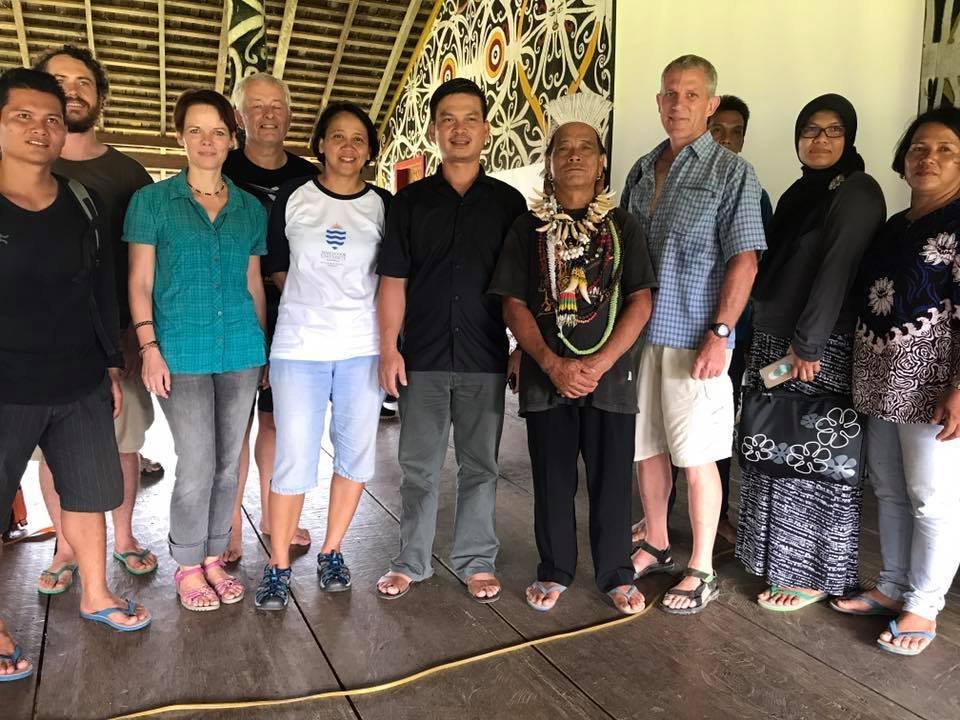
tanah Air Beta 3 — APRIL Asia

リトリート参加者たち(全34名)。左から4人目は主催者であるジェームズクック大学のジェフ・セイヤー教授、同5人目はタナアイルベータのイントゥ・ベディハルトノ博士。

セトゥラング村での5日間の集いで、RER(リアウ生態系回復)プロジェクトのメンバーは、インドネシア、リアウ州のカンパール半島およびパダン島における泥炭林150,000ヘクタールの管理と回復における経験に関するケーススタディを発表しました。

RERプロジェクトは、東南アジア最大の景観レベル回復プログラムの一つとして2013年にエイプリル社によって着手されました。生産林に囲まれた回復サイトでは、生態学的に重要性の高い泥炭林の浸食の脅威を最小限に抑えることを狙いとし、4フェーズの保全モデル‐‐保護、評価、回復、管理‐‐を軸とした活動が展開されています。

RERのブラッドフォード・サンダース氏は、リトリート参加者から多くの教訓を学んだと、次のように語りました。

「現場における生態系回復管理の大きな課題は、森林の保護と回復と生物種多様性の保全の必要性について、同時に森林資源を過剰搾取することなしに人々の生活向上を実現することについて、地元住民や外部ステークホルダーの理解と賛同を得ることです。バランスを確立することが、この課題の成否のカギを握ります。」

その他、リトリートにおいては、次のランドスケープ・アプローチのケーススタディが発表されました:

  1. CIFORのブルンガン調査林(マリナウ)
  2. ICRAFのタンジャバールREDDプログラム
  3. ブルング・インドネシアのンベリリンおよびフタンハラパン・プログラム
  4. ブルングのゴロントロ・プログラム
  5. ファウナ&フローラ・インターナショナルのケタパン・オランウータン・プログラム
  6. ロンドン動物学会のスンビラン・プログラム
TAnah Air Beta 2 — APRIL Asia

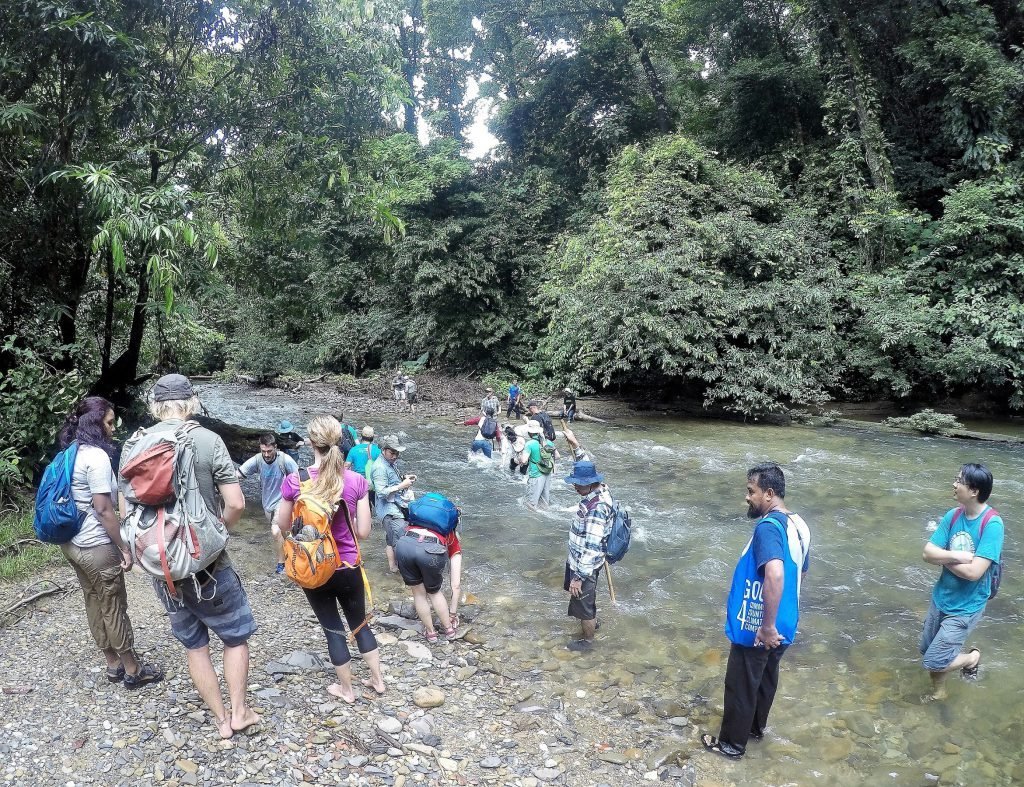
半日森林踏査で、アイディアが鼓舞され、対話が深められました。

収集データは、リトリートに参加したジェームズクック大学の大学院生によって分析され、結果が公表されることになっています。

ジェームズクック大学のジェフ・セイヤー教授によれば、「多くの人々が、ランドスケープ・アプローチは、インドネシアにおける天然資源管理が直面している数多の問題の解決策となると信じています。」

「過去に生み出された期待をすべて実現可能となるためには、私たちは教訓を共有し、最適実務指針を確立する必要があります。」

次のランドスケープ・アプローチ・リトリートは、2018年にリアウ生態系回復プロジェクト・サイトにおいて開催の予定です。

svg+xml;charset=utf — APRIL Asia
sustainable growth — APRIL Asia

Method

Waste disposed is recorded through various means of measurement including estimation of weight by waste type. Particular waste types as described above are measured as a wet waste and converted to a bone dry (BD) weight. The wet waste weight is multiplied by the consistency of each waste type to determine the BD. The consistency is predetermined by the lab.

Baseline
71kg/T

Performance 2022

On Track

sustainable growth — APRIL Asia

Method

The DPTW utilisation rate and % of textile waste per tonne of product will be based on R&D lab/pilot/demo procedures.

Baseline
0%

Performance 2022

In Development

sustainable growth — APRIL Asia

Method

Water consumption per tonne of product is calculated based on water consumed in the production of saleable pulp, paper, viscose staple fiber and viscose yarn measured by flow meters, via calculation and water balances divided by the production figures for saleable pulp, paper, viscose staple fibre and viscose yarn.

Baseline
28 m3/T

Performance 2022

Not Progressing

sustainable growth — APRIL Asia

Method

Soda content within the liquor cycle and losses are determined by means of mass balance based on daily lab analysis.

Lime volume in the lime kiln and losses are determined by means of lime make-up.

The recovery rate is calculated net of the percentage of make-up amounts added. The annual figure is based on the average monthly recovery rate.

Baseline
96%

Performance 2022

Not Progressing

inclusive progress — APRIL Asia

Method

Number of Mill and Nursery contractor calculated based on Man Power data which grouped by gender level calculated as a monthly average.

Baseline
2571

inclusive progress — APRIL Asia

Method

The number of own and supply partners employees is calculated based on year-end Man Power data which is grouped by gender. The identification of leadership position refer to employees’ grade D2 or Manager level and above.

Baseline
55 women employees in leadership positions

Performance 2022

Progressing

inclusive progress — APRIL Asia

Method

Women’s effective participation is identified from the participation list for each program. Percentage of female participation is calculated by the number of women participating divided by the total participants.

Baseline
34%

Performance 2022

Progressing

inclusive progress — APRIL Asia

Method

In development

Baseline
In development

Performance 2022

Progressing

inclusive progress — APRIL Asia

Method

In development

Baseline
In development

Performance 2022

Progressing

inclusive progress — APRIL Asia

Method

In development

Baseline
In development

Performance 2022

Progressing

inclusive progress — APRIL Asia

Method

We engaged third party to conduct assessment in APRIL-supported schools using the framework that was developed by Research Triangle Institute (RTI) and USAID.

Baseline
In development

Performance 2022

Progressing

inclusive progress — APRIL Asia

Method

Poverty mapping is identified through:

  1. Desktop analysis using National Statistics, Village Potential Statistics, SMERU Poverty Map.
  2. On-the-ground verification through FGD, village transect walk, interview with community.

Baseline
3%

Performance 2022

Progressing

thriving landscapes — APRIL Asia

Method

Peer-reviewed scientific journal publication standards

Baseline
1

Performance 2022

On Track

thriving landscapes — APRIL Asia

Method

Documentation of Participation (presentation of papers or posters) in national and international dialogues, workshops and conferences

Baseline
6

Performance 2022

On Track

thriving landscapes — APRIL Asia

Method

Number of scientists from universities and research institutions that have collaborated with APRIL on peatland management during the calendar year

Baseline
9

Performance 2022

On Track

thriving landscapes — APRIL Asia

Method

Wood deliveries (excluding open market supply) to the mill are used as a basis to calculate MAI (Tonnes/ Ha/Yr). The MAI is based on the 3 year area weighted rolling average growth for all closed compartments.

Baseline
20T/ha/yr

Performance 2022

On Track

thriving landscapes — APRIL Asia

Method

Methodology to be developed specific to animal species and does not include plants. Qualifying initiatives may vary widely in nature but must have the animal protection as the primary objective.

Partnerships will be developed and documented in line with an overarching strategy prioritizing stakeholders and threats specific to the country of Indonesia assessed.

Performance 2022

Progressing

thriving landscapes — APRIL Asia

Method

May include various initiatives relating to conservation of RTE species to be defined in a priority list, initiatives may be conducted solely or in collaboration with other stakeholders.

Baseline
2

thriving landscapes — APRIL Asia

Method

Methodology to be developed to measure change in ecosystem services and values over time (carbon sequestration, water provision, resource provision including fish and honey)

Baseline
not yet developed

thriving landscapes — APRIL Asia

Method

Reports for reforestation of previously encroached and degraded area including all areas where assisted natural regeneration, planting or enrichment planting of species that improve habitat value have taken place during the year but excludes natural regeneration.

Baseline
275 ha

Performance 2022

Progressing

thriving landscapes — APRIL Asia

Method

Area within conservation is derived from land bank which is based on land cover analysis and is updated annually to capture any boundary changes, land use changes or measurement data.

Baseline
0 ha Net loss

Performance 2022

Not Progressing

thriving landscapes — APRIL Asia

Method

Landscape conservation funding includes restoration and conservation costs associated with the RER as well as the allocation of a proportion of the costs related to APRIL’s maintenance of conservation values under its production-protection model. The allocation is based on proportionate amount of each cost that is related to conservation and restoration.

The wood volume is based on wood delivered to the Mill.

Baseline
USD$0.7 per tonne of plantation fiber

Performance 2022

On Track

climate positive 1 — APRIL Asia

Method

Mill

Calculate from the records of fuel types used the amount consumed in boilers to generate power, heat and steam including energy use for mobile & including transportation. Each of the fuel types are converted to energy expressed by Giga Joule Lower Heating Value (GJ LHV) following the IPCC guidelines.

Baseline: 87%

Performance 2022

On Track

Forest Operations

Calculate from the records of fuel types the quantity consumed by major categories of forest management activities by Fiber operations.

This covers energy used for Forest operations, infrastructure including wood transport from estate to mill; When a blend of fuel types is used (such as B20) the contribution to renewable and cleaner energy targets is calculated separately for each fuel rather than considering the blend as a cleaner fuel type.

Baseline: 19%

Performance 2022

Progressing

climate positive 1 — APRIL Asia

Method

APRIL follows the international GHG protocol as developed by WRI/WBCSD to develop its emissions profile. The total emissions measured as emissions intensity is calculated based on tonnes of Scope 1 and 2 Mill Greenhouse Gas Emissions per tonne of product (paper, pulp and viscose). The emissions boundary scope covers gate-to-gate (wood processing in wood yard until pulp, paper and viscose production) of the three main GHGs: CO2, CH4, and N2O.

Baseline
0.55 tCO2e/product tonne

Performance 2022

On Track

climate positive 1 — APRIL Asia

Method

To quantify the total GHG emission and removals across APRIL’s land bank from land use, APRIL follows the GHG Protocol Agricultural Guidance and IPCC Guidelines for Agricultural, Forestry, and Other Land Use. To detect the land cover change within the look-back period, i.e. 20 years APRIL utilized the remotely sensed data.

The GHG emission will be calculated as the total of carbon stock changes in woody biomass and soil organic carbon and include all major carbon fluxes such as peat decomposition, plantation growth and harvesting, and fires.

To quantify the amount of carbon unit to balance the emission, the Verified Carbon Standard (VCS), the Climate, Community and Biodiversity Standards (CCB), or other internationally accepted standard will be used.

Performance 2022

Progressing

This site is registered on wpml.org as a development site. Switch to a production site key to remove this banner.