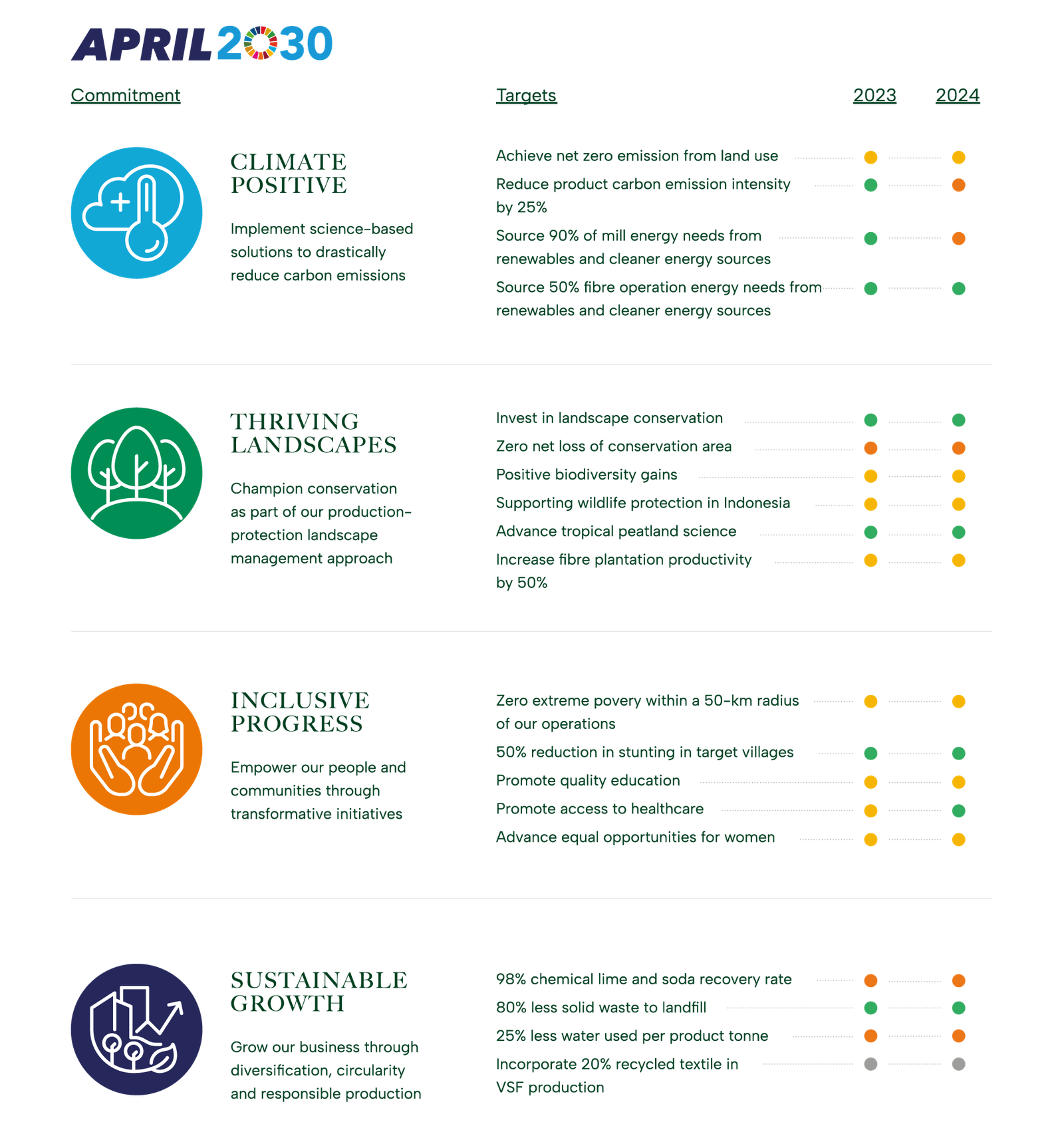
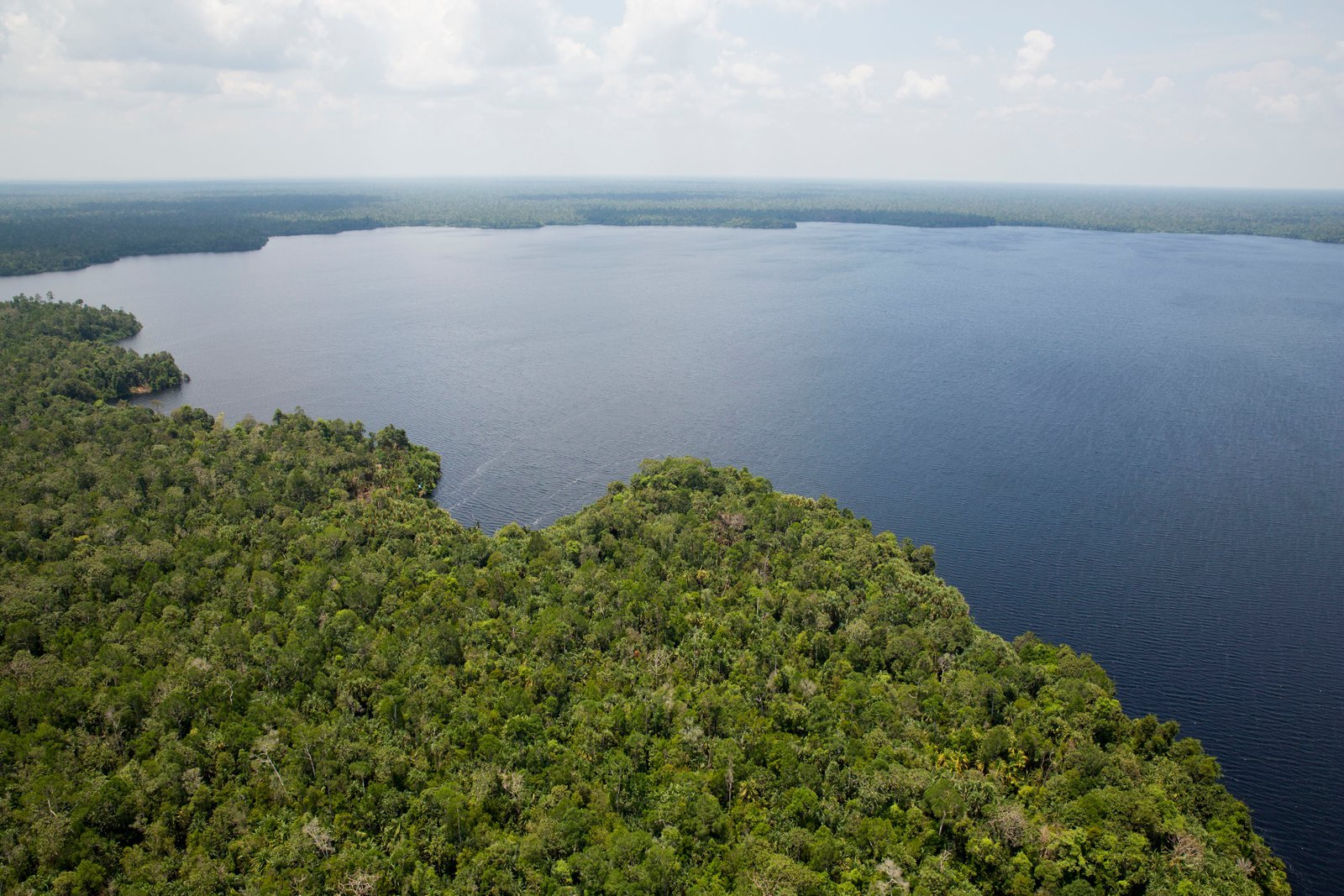
2013年に発進したリアウ生態系回復(RER)プロジェクトは、インドネシア、リアウ州内の生態学的に重要性の高い泥炭地林の保護・回復・保全のための生態系回復を狙いに据えています。

RERプロジェクトは、植林1haにつき1haの保全というエイプリル社コミットメントの一つであり、インドネシア環境林業省から付与された60年生態系回復ライセンスの下で進められています。エイプリル社の目標達成率は現在83%、保護・保全林の面積は400,000haを超えています。2015年、エイプリル社は長期保全・回復に1億USドルの支出を誓約しました。

RERプロジェクトは4年前、カンパール半島リアウ州の泥炭地林20,000haの保護と回復でスタートしました。2015年のCOP21(パリ)において、エイプリル社は、RERエリアを、パダン島(リアウ州)を含む150,000haに拡大することを発表しました。プロジェクト・パートナーのファウナ&フローラ・インターナショナル(FFI)、ザ・ネイチャー・コンサーバンシー(TNC)およびローカルNGOのBIDARAは、社会および科学的専門知識を提供しプロジェクト実施を支援しています。高く評価されている保全機関FFIとTNCとの協働はこれからも続けられます。

カンパール半島は、バードライフ・インターナショナル、国際自然保護連合(IUCN)、野生動物保護協会(WCS)およびWWFにより、それぞれ、重要野鳥生息地(2004年)、生物多様性重要地域(2006年)およびトラ保護地域(2007年)に認定されています。

そのほか、ザ・ネイチャー・コンサーバンシーは2017年に、カンパール半島の泥炭地林344,000ha区画は、リアウ州の質的に維持・改善されている泥炭地林の中で最大規模であり、リアウ州に残る自然林地帯とケルムタン野生動物保護エリアを繋ぐ重要なリンクとなっていると指摘しました。

以下のエイプリル・ダイアログは、RERプロジェクトの進捗状況とコミュニティ参加の重要性についてRERのブラッドフォード・サンダース氏へのインタビューです。


RERでは生態系回復を4段階プロセスと説明しています。具体的には?

順番に、保護、アセスメント、回復、管理の4段階プロセスです。まず最初に、景観を新たな浸食や劣化のリスクから保護し、次のステップに進めるようにする必要があります。その次が、生態系と社会環境の評価(アセスメント)段階であり、第3段階の回復戦略や水文、原生植物種や野生動物に関する活動のための情報となります。最終段階は、コンセッション内の天然資源の持続可能性を保証するための連続的景観管理プロセスです。

RERは現在、どの段階にあるのですか?

プロジェクトは着実に前進していますが、プロセスはけっして直線的ではありません。150,000haのエリア内では、4つの段階すべてがみられます。違法な伐採、浸食、火災の防止など森林保護活動はRERエリア全域で展開されています。炭素、コミュニティ、そして生物種多様性評価は、パートナー機関であるFFIと合同で進められており、5つのコンセッションエリアのうち3エリア、面積にして合計92,507haについてアセスメントが完了しました。

水文回復は2015年に、いくつかの古く管理されていない、または違法に建設された運河の閉鎖でスタートしました。全ての運河について完了するまで続けられます。

特定野生動物種および植物種、ならびに河川生態系について、保全アクション・プランの草案を作成中です。

管理は継続的な必要事項です。たとえば、現在RERでは漁獲量を監視および記録するフィッシンググループを作成中です。これらの情報は、魚類資源量増加計画の策定のための傾向性分析に使用されます。

アセスメント段階はベンチマーク確立のために決定的に重要です。つまり、個々の回復プロジェクトがユニークということですか?

その通りです。回復活動は、現状と将来の望ましい状況を基盤とし、資源個別にカスタマイズされています。

回復プロジェクトに共通に適用可能な原則はありますか?

非常に重要な原則の一つが、ローカルコミュニティと学術専門家の双方から幅広くステークホルダーの参加を得る必要があることです。同じく、全てのケースで、回復は特定のサイトに適合させる必要があり、連続的にモニタリングおよび評価し、結果に基づいて更新する必要があります。

その他、回復は時間がかかること、そして巨額の長期かつ確実な資金投資を必要とすることを理解する必要があります。結果はすぐには現れません。一貫性のある継続実施が必要です。

森林回復に関して既知のタイムフレームはありますか?タイミングの影響要因にはどのようなものがありますか?

タイムフレームは出発点によって千差万別です。最重要要因は、当然ながらどの程度まで悪化しているかという悪化レベルです。

たとえば、熱帯雨林は、火山噴火の後、再び擾乱要因が発生しなければ80~120年で自然に回復可能です。人為的介入によるアクティブな回復措置は、このプロセスをスピードアップし、理論的にはタイムフレームを加速化または特定の進路に導きます。

回復プロジェクトにおけるコミュニティの重要性は?

組織主導の「回復」についてローカルコミュニティの知識と受け入れが不可欠です。これがないと、新たな擾乱が発生し、回復や再生活動が遅延します。

コミュニティが森林から必要とする資源を将来も持続的に利用可能となるためには回復エリアの管理者とコミュニティの協働が重要です。

泥炭地林の回復において活動上の課題は何ですか?

多数の課題があります。たとえば、辺鄙な場所であること、地下水面位が高いこと、高温・高湿な環境、地形が平たんなため方位や距離の目印となるランドマークがなく見通しが利かないこと、根が露出しており足元が悪いこと、毒虫や危険な野生動物がいる可能性などです。

それから、依然として泥炭地林生態系の遷移経路には未知の部分が多く残っています。たとえば、回復と再生の出発点が、排水され、火災に見舞われ、圧密され、外来種のために転換された泥炭地である場合、現時点では、原生の生物種構成、生物資源、または草木サイズ分布に復元させることを狙いとする管理活動の実施のための方法もタイムラインも、殆ど記録資料がありません。

課題は山積みです:地下水面位の復元、移入種の成長・拡大管理、量・質の両面で適切な苗や天然種子給源の確保など。森林景観の回復に多方面のステークホルダーの参加と支援を得て科学的知識を理解することが必要な理由がここにあります。

さらに、浸食や火災など擾乱の再発の危険もあります。こうした事態が起こると、その後何年も植樹や復元ができなくなります。一方で、樹木の生長は時間がかかります。

これまでに達成された最も注目すべき成果は?

2013年のRER立ち上げ以来、私たちは森林と火災防止システムを開発し、またRERエリア内の河川で漁をする地元漁民の信頼と協力を確立することに努めてきました。

2015年以降、RERエリア内では、違法伐採、火災、森林浸食は皆無という、素晴らしい成果が上がっています。2013年以前も含めてRERエリア内での「擾乱ゼロの静穏期間」として最長記録であり、森林と野生動物の自然の回復能力も大きく高まっています。

こうした成果はどのようにして成し遂げられたのですか?

RERは全64人の職員を擁しています。このほかに、100人を超える契約レンジャーおよびスタッフが森林の保護と回復の日常業務に携わっています。

RERはリアウ州に本拠地があり、RER人員の80%以上は州内、ペララワン県とケプラワン・メランティ県の出身者です。つまり、地元の人々が生態系回復に参加しており、このことはRERが信頼を構築し、森林ユーザーのニーズについて理解を深める上で役立っています。

森林保護活動は、森林への主なアクセスポイントについて重点的に実施しています。森林ユーザーと常時連絡をとって、森林内で許容される合法的活動の定義と実施に取り組んでいます。
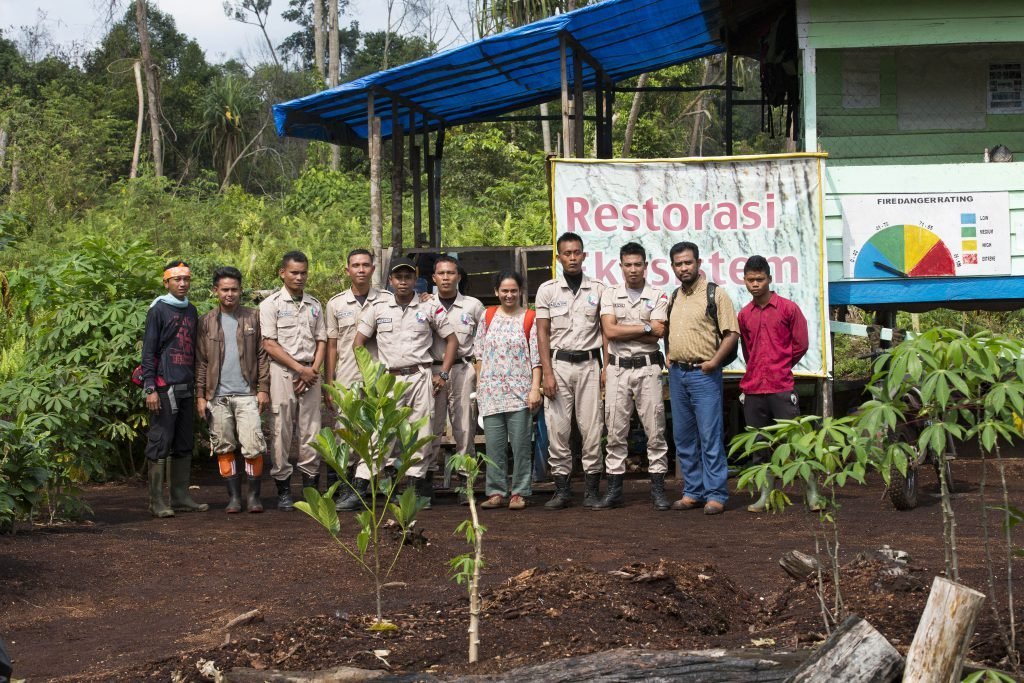
RGE APRIL Berry SangarNursery 19 — APRIL Asia

RERレンジャー

RERの回復活動で、動物と植物は、どちらが重要ですか?双方の必要性をどのようにバランス調整していますか?

植物相の回復の方が重要性が大きいと考えます。なぜなら、動物の生存と繁栄には好適な生息環境が前提となるからです。

どのような状態になったら森林は「回復した」といえますか?

森林の回復は進行プロセスです。復元とは、森林エリアに特定の価値を取り戻し人間のニーズを満たすようにする「回復」であるといえます。これが、私たちの目指すところです。
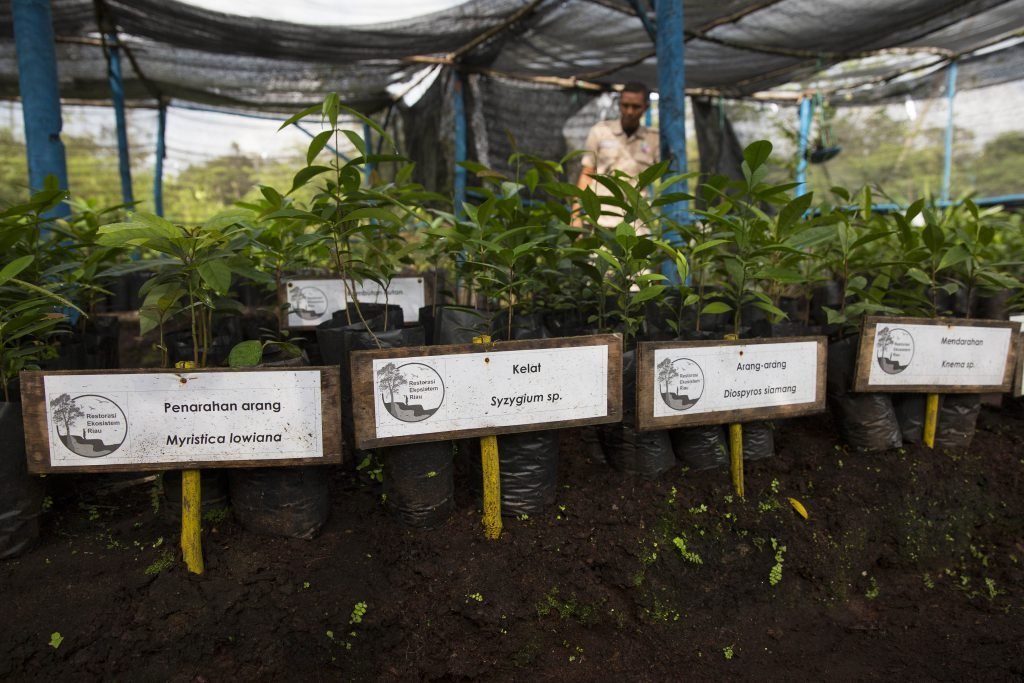
RGE APRIL Berry SangarNursery 10 — APRIL Asia

回復サイトに植えるローカル樹種の苗木が育つRER苗圃

今までのRERでの活動で、最も印象に残っていることは?

いろいろあります。泥炭地林の保護と回復に心底から取り組む意識の高いチームとの活動は大きな喜びです。

最も刺激的で、しかも予想外だったのは、RERエリア内のセルカプ川の深みに、イリエワニが人知れず棲息していることを、環境省職員やレンジャーが教えてくれたことでした。

地元の漁師たちから噂は聞いていました。しかし、川の近くに据えたカメラが体長4メートルにもなるイリエワニの姿を実際に捉えるまで、信じられませんでした。もちろん、それ以来、スタッフたちは川では泳ぎません!

リアウ生態系回復プロジェクト(RER)に関する詳細は、こちらから:www.rekoforest.org

svg+xml;charset=utf — APRIL Asia
sustainable growth — APRIL Asia

Method

Waste disposed is recorded through various means of measurement including estimation of weight by waste type. Particular waste types as described above are measured as a wet waste and converted to a bone dry (BD) weight. The wet waste weight is multiplied by the consistency of each waste type to determine the BD. The consistency is predetermined by the lab.

Baseline
71kg/T

Performance 2022

On Track

sustainable growth — APRIL Asia

Method

The DPTW utilisation rate and % of textile waste per tonne of product will be based on R&D lab/pilot/demo procedures.

Baseline
0%

Performance 2022

In Development

sustainable growth — APRIL Asia

Method

Water consumption per tonne of product is calculated based on water consumed in the production of saleable pulp, paper, viscose staple fiber and viscose yarn measured by flow meters, via calculation and water balances divided by the production figures for saleable pulp, paper, viscose staple fibre and viscose yarn.

Baseline
28 m3/T

Performance 2022

Not Progressing

sustainable growth — APRIL Asia

Method

Soda content within the liquor cycle and losses are determined by means of mass balance based on daily lab analysis.

Lime volume in the lime kiln and losses are determined by means of lime make-up.

The recovery rate is calculated net of the percentage of make-up amounts added. The annual figure is based on the average monthly recovery rate.

Baseline
96%

Performance 2022

Not Progressing

inclusive progress — APRIL Asia

Method

Number of Mill and Nursery contractor calculated based on Man Power data which grouped by gender level calculated as a monthly average.

Baseline
2571

inclusive progress — APRIL Asia

Method

The number of own and supply partners employees is calculated based on year-end Man Power data which is grouped by gender. The identification of leadership position refer to employees’ grade D2 or Manager level and above.

Baseline
55 women employees in leadership positions

Performance 2022

Progressing

inclusive progress — APRIL Asia

Method

Women’s effective participation is identified from the participation list for each program. Percentage of female participation is calculated by the number of women participating divided by the total participants.

Baseline
34%

Performance 2022

Progressing

inclusive progress — APRIL Asia

Method

In development

Baseline
In development

Performance 2022

Progressing

inclusive progress — APRIL Asia

Method

In development

Baseline
In development

Performance 2022

Progressing

inclusive progress — APRIL Asia

Method

In development

Baseline
In development

Performance 2022

Progressing

inclusive progress — APRIL Asia

Method

We engaged third party to conduct assessment in APRIL-supported schools using the framework that was developed by Research Triangle Institute (RTI) and USAID.

Baseline
In development

Performance 2022

Progressing

inclusive progress — APRIL Asia

Method

Poverty mapping is identified through:

  1. Desktop analysis using National Statistics, Village Potential Statistics, SMERU Poverty Map.
  2. On-the-ground verification through FGD, village transect walk, interview with community.

Baseline
3%

Performance 2022

Progressing

thriving landscapes — APRIL Asia

Method

Peer-reviewed scientific journal publication standards

Baseline
1

Performance 2022

On Track

thriving landscapes — APRIL Asia

Method

Documentation of Participation (presentation of papers or posters) in national and international dialogues, workshops and conferences

Baseline
6

Performance 2022

On Track

thriving landscapes — APRIL Asia

Method

Number of scientists from universities and research institutions that have collaborated with APRIL on peatland management during the calendar year

Baseline
9

Performance 2022

On Track

thriving landscapes — APRIL Asia

Method

Wood deliveries (excluding open market supply) to the mill are used as a basis to calculate MAI (Tonnes/ Ha/Yr). The MAI is based on the 3 year area weighted rolling average growth for all closed compartments.

Baseline
20T/ha/yr

Performance 2022

On Track

thriving landscapes — APRIL Asia

Method

Methodology to be developed specific to animal species and does not include plants. Qualifying initiatives may vary widely in nature but must have the animal protection as the primary objective.

Partnerships will be developed and documented in line with an overarching strategy prioritizing stakeholders and threats specific to the country of Indonesia assessed.

Performance 2022

Progressing

thriving landscapes — APRIL Asia

Method

May include various initiatives relating to conservation of RTE species to be defined in a priority list, initiatives may be conducted solely or in collaboration with other stakeholders.

Baseline
2

thriving landscapes — APRIL Asia

Method

Methodology to be developed to measure change in ecosystem services and values over time (carbon sequestration, water provision, resource provision including fish and honey)

Baseline
not yet developed

thriving landscapes — APRIL Asia

Method

Reports for reforestation of previously encroached and degraded area including all areas where assisted natural regeneration, planting or enrichment planting of species that improve habitat value have taken place during the year but excludes natural regeneration.

Baseline
275 ha

Performance 2022

Progressing

thriving landscapes — APRIL Asia

Method

Area within conservation is derived from land bank which is based on land cover analysis and is updated annually to capture any boundary changes, land use changes or measurement data.

Baseline
0 ha Net loss

Performance 2022

Not Progressing

thriving landscapes — APRIL Asia

Method

Landscape conservation funding includes restoration and conservation costs associated with the RER as well as the allocation of a proportion of the costs related to APRIL’s maintenance of conservation values under its production-protection model. The allocation is based on proportionate amount of each cost that is related to conservation and restoration.

The wood volume is based on wood delivered to the Mill.

Baseline
USD$0.7 per tonne of plantation fiber

Performance 2022

On Track

climate positive 1 — APRIL Asia

Method

Mill

Calculate from the records of fuel types used the amount consumed in boilers to generate power, heat and steam including energy use for mobile & including transportation. Each of the fuel types are converted to energy expressed by Giga Joule Lower Heating Value (GJ LHV) following the IPCC guidelines.

Baseline: 87%

Performance 2022

On Track

Forest Operations

Calculate from the records of fuel types the quantity consumed by major categories of forest management activities by Fiber operations.

This covers energy used for Forest operations, infrastructure including wood transport from estate to mill; When a blend of fuel types is used (such as B20) the contribution to renewable and cleaner energy targets is calculated separately for each fuel rather than considering the blend as a cleaner fuel type.

Baseline: 19%

Performance 2022

Progressing

climate positive 1 — APRIL Asia

Method

APRIL follows the international GHG protocol as developed by WRI/WBCSD to develop its emissions profile. The total emissions measured as emissions intensity is calculated based on tonnes of Scope 1 and 2 Mill Greenhouse Gas Emissions per tonne of product (paper, pulp and viscose). The emissions boundary scope covers gate-to-gate (wood processing in wood yard until pulp, paper and viscose production) of the three main GHGs: CO2, CH4, and N2O.

Baseline
0.55 tCO2e/product tonne

Performance 2022

On Track

climate positive 1 — APRIL Asia

Method

To quantify the total GHG emission and removals across APRIL’s land bank from land use, APRIL follows the GHG Protocol Agricultural Guidance and IPCC Guidelines for Agricultural, Forestry, and Other Land Use. To detect the land cover change within the look-back period, i.e. 20 years APRIL utilized the remotely sensed data.

The GHG emission will be calculated as the total of carbon stock changes in woody biomass and soil organic carbon and include all major carbon fluxes such as peat decomposition, plantation growth and harvesting, and fires.

To quantify the amount of carbon unit to balance the emission, the Verified Carbon Standard (VCS), the Climate, Community and Biodiversity Standards (CCB), or other internationally accepted standard will be used.

Performance 2022

Progressing

This site is registered on wpml.org as a development site. Switch to a production site key to remove this banner.