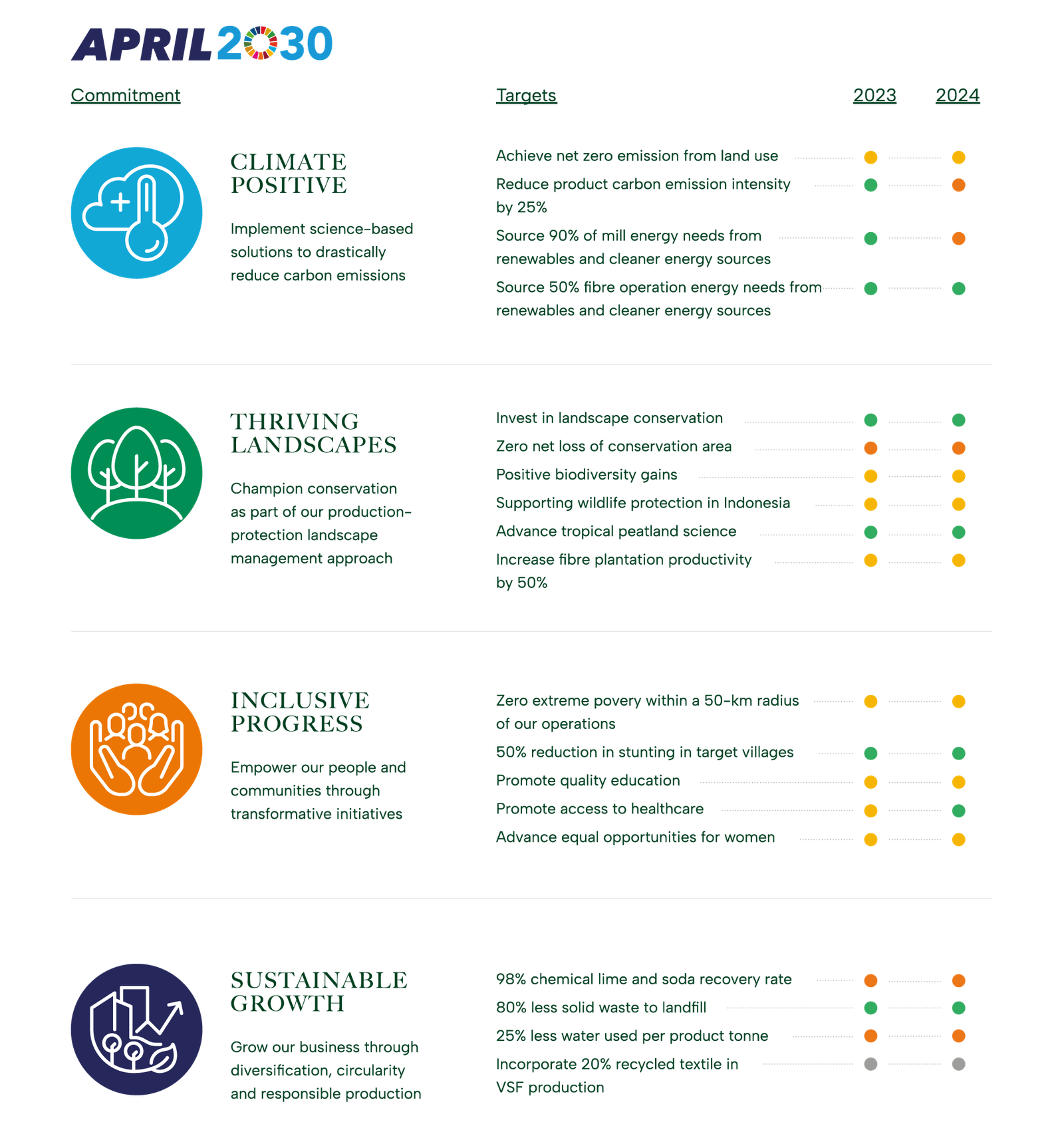
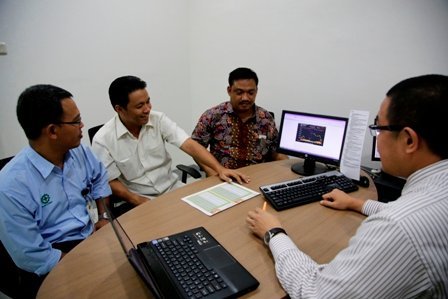
エイプリル社のリアウにおける事業活動単位であるRAPP社によって開発されたコミュニティ・プログラムは、現地の起業家たちに人生を変える機会を創りだし、中小企業の成長を促しています。

違法伐採から賞獲得の起業家へ

47歳のトゥンクー・エフェンディ氏にとって、このキャリアチェンジはこの上ない一大転換であったはずです。かつて違法伐採者だった彼は、今ではリアウ州ルブク・ブンゴを拠点にして運送会社を営んでいます。

彼がこのプログラムに参加したのは2006年のことでした。3歳の子供の父親である彼は、違法伐採からまともな仕事へのキャリアチェンジが大変だったことを認めています。しかし努力を重ね、2014年には職場の健全性と安全性の方針を実施したとして彼の会社はRAPP賞を獲得しました。

「それまでやってきたことから運送会社の経営にギア・チェンジするのは楽ではありませんでした。でも起業家について多くのことをこのプログラムが教えてくれたのです。」とRAPP社に肥料を運送するイドラル・ブルサウダラ社の経営者トゥンクー氏は話します。

RAPP社のコミュニティ開発部長スンダリ・ブルリアン氏は、RAPP社は現在、建設請負業者、運送・労働力供給業者、給水車事業者および苗供給業者など、190のパートナーと協力して事業を行っていると述べています。
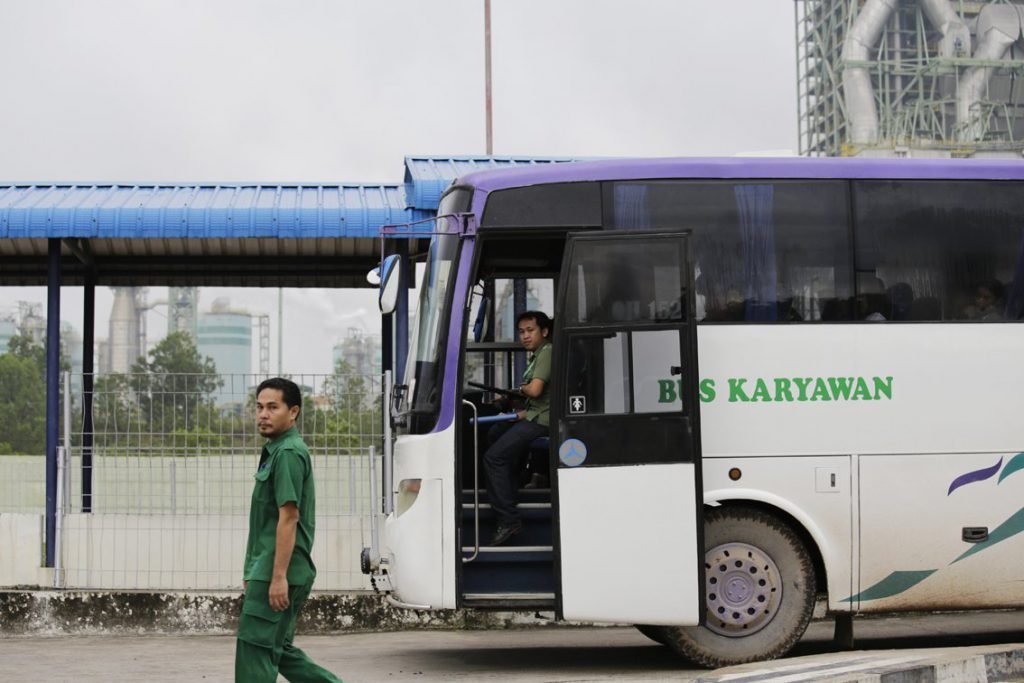
Bus — APRIL Asia

現地起業家によるリアウのRAPP社施設での運送サービス

ごみ収集車運転手が運送責任者に転身

フスニ・タムリン氏は2001年にプログラムに参加し、彼の最初の会社であるタロ・プトゥラ・ペシシール社を設立しました。現在37歳になる彼と彼の妻ロハニは、1000億ルピア(750万米ドル)の資産価値を持つ重機・トラックレンタル事業の経営者です。

彼は次のように回想しています。「私には事業の経歴はありませんでした。私の最初のベンチャー事業は父のトラックを運転してごみを運ぶことでした。次第に事業に精通するようになって、事業拡大の機会があることが分かりました。私を含め、多くの地元の起業家を育ててくれたプログラムに感謝しています。」

2004年、フスニ氏は社名を自分の出生地であるリアウの村「ニロ」からとってニロ・エンジニアリング社に変更しました。

「ニロ社は、重機レンタル事業単位に対するRAPP社からの高い需要とともに成長してきました。」とフスニ氏は述べています。ニロ社の30の重機ユニットと25台のトラックはすべてRAPP社にレンタルされています。

雇用を創出することを誇らしく思うビジネスマン

スライマン氏はアカシアとユーカリの苗を育てるためにRAPP社所有の7つの苗畑にココ泥炭を供給しています。彼のリフキー・プラタマ・サンジャヤ社はリアウ州プララワンの主要な街であるパンカラン・ケリンチに拠点を置いています。
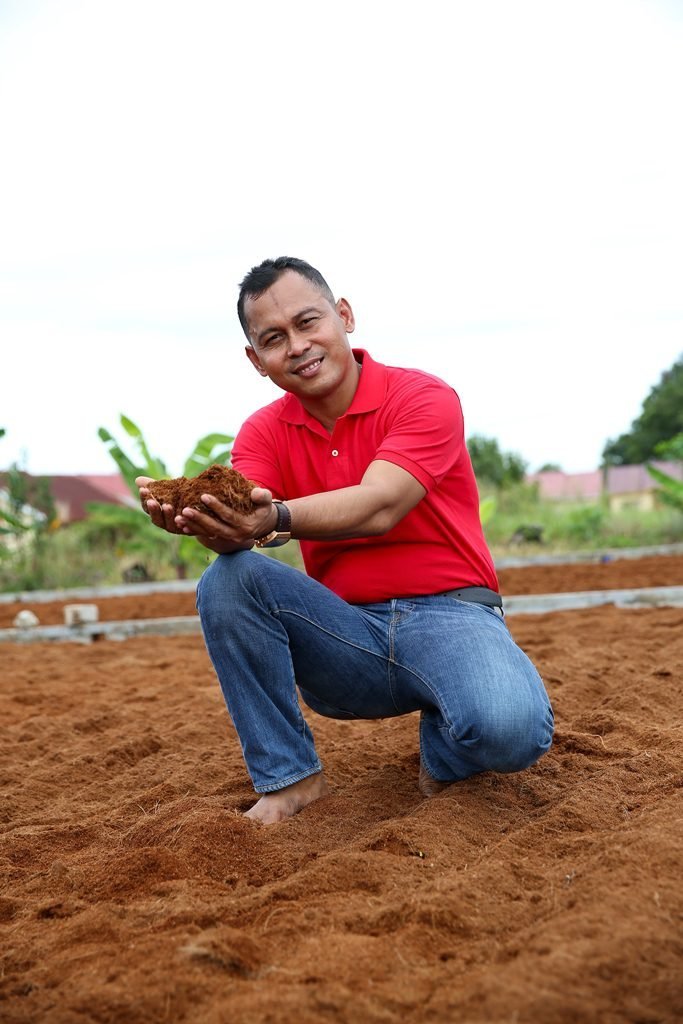
Sulaiman Cocopeat — APRIL Asia

RAPP社の苗木畑にココ泥炭を供給しているリアウの起業家スライマン氏

プログラムに参加してから事業開始後1カ月も経たないうちに、彼はココ泥炭の供給を30トンから600トンへも増やしました。

「RAPP社は、資本投資は行いませんでしたが、マンディリ銀行やインドネシア国民銀行に推薦をしてくれました。」と38歳になる彼は言います。彼はこの2銀行から10億ルピア(75,000米ドル)の融資をとりつけ、これを機械の購入や倉庫建設、運転資金に充てました。

人に生計を与えることを誇らしく思っている彼は、次のように語っています。「職員の一人は漁師である彼の父親の仕事の手伝いを時々して、辛うじて稼いだお金は月100万ルピア(75米ドル)でした。ここで働くともっと実入りがよく、最大で月400万ルピア(300米ドル)を稼ぐことができます。」
バティックで新しい未来を作る女性たち

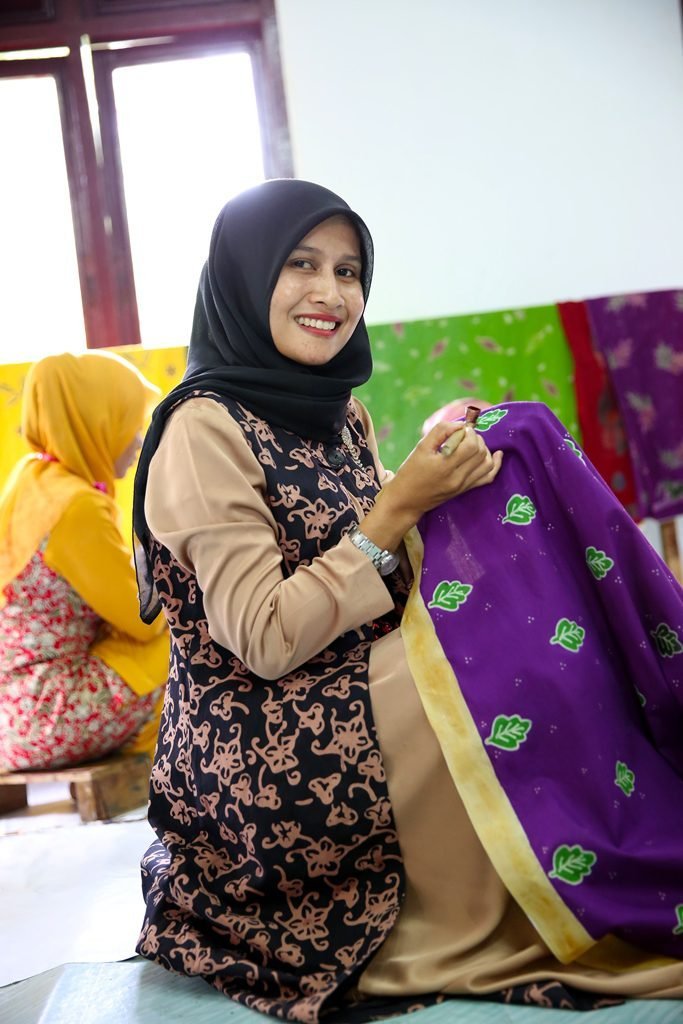
リアウ州プララワン地方に住む32歳のハリ・フィトゥリ・ラムダニ氏は、ジャワ工芸職人とゆかりの深い天然色で染めた伝統的な織物、バティックによって生計を立てることができるとは夢にも思っていませんでした。

コミュニティ開発プログラムを通じて、RAPP社はアンダラン協同組合の設立に資金を提供し、製作会社ルマ・バティック・アンダラン(RBA社)の工房と、ハンドメイドのバティックの販売を行う店舗を建設しました。
Fitri Batik — APRIL Asia

バティック生地を作るフィトゥリ・ラムダニ氏

この協同組合は養成対象となる女性たちを募り、今ではそのうちの10人がRBA社で働いています。全員が一からバティック作りを学びましたが、今では最大130のバティック生地を製作することができるようになり、毎月2,000万ルピア(1,500米ドル)の売上を出しています。彼女たちは、ソロ、ジョグジャカルタ、ペカロンガン出身のバティック工芸職人から訓練を受けました。

自分と車修理工の仕事を時々している夫は、この収入を一軒家を購入するのに充てました、とフィトゥリ氏は話します。「自宅へのお土産としてバティックを買う(RAPP社の)お客さんたち、現地の役人さん、近辺の会社職員の方、パンカラン・ケリンチの私たちのお店からバティックを買う地元の人たちなど、今ではいろんな買い手がいます。」


svg+xml;charset=utf — APRIL Asia
sustainable growth — APRIL Asia

Method

Waste disposed is recorded through various means of measurement including estimation of weight by waste type. Particular waste types as described above are measured as a wet waste and converted to a bone dry (BD) weight. The wet waste weight is multiplied by the consistency of each waste type to determine the BD. The consistency is predetermined by the lab.

Baseline
71kg/T

Performance 2022

On Track

sustainable growth — APRIL Asia

Method

The DPTW utilisation rate and % of textile waste per tonne of product will be based on R&D lab/pilot/demo procedures.

Baseline
0%

Performance 2022

In Development

sustainable growth — APRIL Asia

Method

Water consumption per tonne of product is calculated based on water consumed in the production of saleable pulp, paper, viscose staple fiber and viscose yarn measured by flow meters, via calculation and water balances divided by the production figures for saleable pulp, paper, viscose staple fibre and viscose yarn.

Baseline
28 m3/T

Performance 2022

Not Progressing

sustainable growth — APRIL Asia

Method

Soda content within the liquor cycle and losses are determined by means of mass balance based on daily lab analysis.

Lime volume in the lime kiln and losses are determined by means of lime make-up.

The recovery rate is calculated net of the percentage of make-up amounts added. The annual figure is based on the average monthly recovery rate.

Baseline
96%

Performance 2022

Not Progressing

inclusive progress — APRIL Asia

Method

Number of Mill and Nursery contractor calculated based on Man Power data which grouped by gender level calculated as a monthly average.

Baseline
2571

inclusive progress — APRIL Asia

Method

The number of own and supply partners employees is calculated based on year-end Man Power data which is grouped by gender. The identification of leadership position refer to employees’ grade D2 or Manager level and above.

Baseline
55 women employees in leadership positions

Performance 2022

Progressing

inclusive progress — APRIL Asia

Method

Women’s effective participation is identified from the participation list for each program. Percentage of female participation is calculated by the number of women participating divided by the total participants.

Baseline
34%

Performance 2022

Progressing

inclusive progress — APRIL Asia

Method

In development

Baseline
In development

Performance 2022

Progressing

inclusive progress — APRIL Asia

Method

In development

Baseline
In development

Performance 2022

Progressing

inclusive progress — APRIL Asia

Method

In development

Baseline
In development

Performance 2022

Progressing

inclusive progress — APRIL Asia

Method

We engaged third party to conduct assessment in APRIL-supported schools using the framework that was developed by Research Triangle Institute (RTI) and USAID.

Baseline
In development

Performance 2022

Progressing

inclusive progress — APRIL Asia

Method

Poverty mapping is identified through:

  1. Desktop analysis using National Statistics, Village Potential Statistics, SMERU Poverty Map.
  2. On-the-ground verification through FGD, village transect walk, interview with community.

Baseline
3%

Performance 2022

Progressing

thriving landscapes — APRIL Asia

Method

Peer-reviewed scientific journal publication standards

Baseline
1

Performance 2022

On Track

thriving landscapes — APRIL Asia

Method

Documentation of Participation (presentation of papers or posters) in national and international dialogues, workshops and conferences

Baseline
6

Performance 2022

On Track

thriving landscapes — APRIL Asia

Method

Number of scientists from universities and research institutions that have collaborated with APRIL on peatland management during the calendar year

Baseline
9

Performance 2022

On Track

thriving landscapes — APRIL Asia

Method

Wood deliveries (excluding open market supply) to the mill are used as a basis to calculate MAI (Tonnes/ Ha/Yr). The MAI is based on the 3 year area weighted rolling average growth for all closed compartments.

Baseline
20T/ha/yr

Performance 2022

On Track

thriving landscapes — APRIL Asia

Method

Methodology to be developed specific to animal species and does not include plants. Qualifying initiatives may vary widely in nature but must have the animal protection as the primary objective.

Partnerships will be developed and documented in line with an overarching strategy prioritizing stakeholders and threats specific to the country of Indonesia assessed.

Performance 2022

Progressing

thriving landscapes — APRIL Asia

Method

May include various initiatives relating to conservation of RTE species to be defined in a priority list, initiatives may be conducted solely or in collaboration with other stakeholders.

Baseline
2

thriving landscapes — APRIL Asia

Method

Methodology to be developed to measure change in ecosystem services and values over time (carbon sequestration, water provision, resource provision including fish and honey)

Baseline
not yet developed

thriving landscapes — APRIL Asia

Method

Reports for reforestation of previously encroached and degraded area including all areas where assisted natural regeneration, planting or enrichment planting of species that improve habitat value have taken place during the year but excludes natural regeneration.

Baseline
275 ha

Performance 2022

Progressing

thriving landscapes — APRIL Asia

Method

Area within conservation is derived from land bank which is based on land cover analysis and is updated annually to capture any boundary changes, land use changes or measurement data.

Baseline
0 ha Net loss

Performance 2022

Not Progressing

thriving landscapes — APRIL Asia

Method

Landscape conservation funding includes restoration and conservation costs associated with the RER as well as the allocation of a proportion of the costs related to APRIL’s maintenance of conservation values under its production-protection model. The allocation is based on proportionate amount of each cost that is related to conservation and restoration.

The wood volume is based on wood delivered to the Mill.

Baseline
USD$0.7 per tonne of plantation fiber

Performance 2022

On Track

climate positive 1 — APRIL Asia

Method

Mill

Calculate from the records of fuel types used the amount consumed in boilers to generate power, heat and steam including energy use for mobile & including transportation. Each of the fuel types are converted to energy expressed by Giga Joule Lower Heating Value (GJ LHV) following the IPCC guidelines.

Baseline: 87%

Performance 2022

On Track

Forest Operations

Calculate from the records of fuel types the quantity consumed by major categories of forest management activities by Fiber operations.

This covers energy used for Forest operations, infrastructure including wood transport from estate to mill; When a blend of fuel types is used (such as B20) the contribution to renewable and cleaner energy targets is calculated separately for each fuel rather than considering the blend as a cleaner fuel type.

Baseline: 19%

Performance 2022

Progressing

climate positive 1 — APRIL Asia

Method

APRIL follows the international GHG protocol as developed by WRI/WBCSD to develop its emissions profile. The total emissions measured as emissions intensity is calculated based on tonnes of Scope 1 and 2 Mill Greenhouse Gas Emissions per tonne of product (paper, pulp and viscose). The emissions boundary scope covers gate-to-gate (wood processing in wood yard until pulp, paper and viscose production) of the three main GHGs: CO2, CH4, and N2O.

Baseline
0.55 tCO2e/product tonne

Performance 2022

On Track

climate positive 1 — APRIL Asia

Method

To quantify the total GHG emission and removals across APRIL’s land bank from land use, APRIL follows the GHG Protocol Agricultural Guidance and IPCC Guidelines for Agricultural, Forestry, and Other Land Use. To detect the land cover change within the look-back period, i.e. 20 years APRIL utilized the remotely sensed data.

The GHG emission will be calculated as the total of carbon stock changes in woody biomass and soil organic carbon and include all major carbon fluxes such as peat decomposition, plantation growth and harvesting, and fires.

To quantify the amount of carbon unit to balance the emission, the Verified Carbon Standard (VCS), the Climate, Community and Biodiversity Standards (CCB), or other internationally accepted standard will be used.

Performance 2022

Progressing

This site is registered on wpml.org as a development site. Switch to a production site key to remove this banner.