
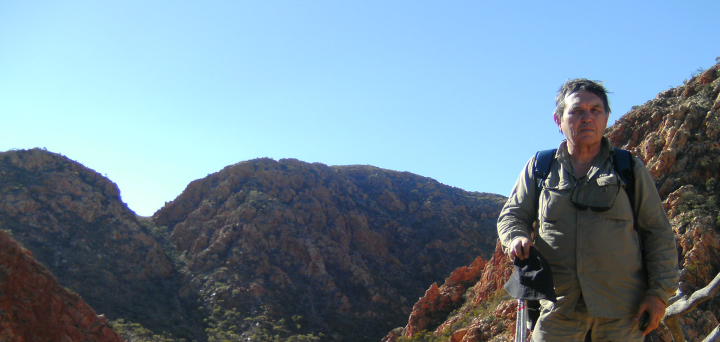
エイプリル社ステークホルダー諮問委員会(SAC)委員であるニール・バイロン氏は、環境と社会のバランスが取れた未来を確保するうえで、経済が重要な役割を果たしていると考えている

1973年、ドイツ生まれの英国経済学者エルンスト・フリードリッヒ・シューマッハー(E. F. Schumacher)は、のちにTimes Literary Supplementが「第二次世界大戦以降最も影響を与えた100冊」に選出した書籍を出版した。「スモール イズ ビューティフル」(原題はSmall is Beautiful – A Study of Economics as if People Mattered)である。シューマッハーは、経済学の古い殻を破り、「ビッグ イズ ベター」(big is better)から方向転換し、経済学は単に商業の付属物であるという想定に異議を唱えた。シューマッハーは「適正技術」ムーブメントの基礎を築いた。

青年時代のニール・バイロン氏はシューマッハーに啓発された。また、シューマッハーのこうした考え方はバイロン氏の世界観の形成に大きな影響を与えた。「私は人間中心の経済学者である。経済学は社会の利益を考えた賢い資源の利用であり、金融資産や有形資産の効率的利用だけでなく、人的資本や自然資本への投資であり管理であると考えている」。
neilbyron3 — APRIL Asia

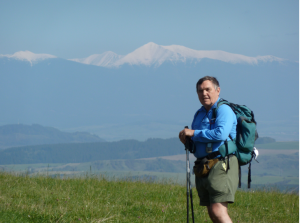
エイプリル社ステークホルダー諮問委員会委員ニール・バイロン氏

バイロン氏が幼少期を過ごしたクイーンズランドの田舎は「のどか」で、兄弟たちと未開発の森林地帯を走り抜けたと語っている。夢中で森林地帯を走り回った経験がその後の彼のキャリアにつながったといえよう。バイロン氏が「森林学」というキャリアがあることを知ったのは、「森林学」研究のための奨学金を大学から提供されたときである。オーストラリア国立大学で森林学の学位を取得後、2年間クイーンズランド州林野庁(Queensland Forest Service)に勤務した。

しかし、シューマッハーに触発され経済学と政治に興味を持ち始めたバイロン氏は、方針を根本的に変更し、ブリティッシュコロンビア大学で資源環境経済学の修士号と博士号を取得すべく7,500マイル離れたバンクーバーへと向かった。

「私のことを熱帯森林学者と考えている人もいるが、数十年間熱帯森林学と関わりをもっていない。私は自分自身を経済学者だと思っているが、社会・自然資本に焦点を絞っている。私はオーストラリアに戻り、母校で教鞭をとった。その後3年間はオーストラリア政府林業経済学調査組織の管理を行った。このことは、経済学を自然と人間に適用できるという新たな一般的解釈を示していた」。

「60年代後期から70年代初期にかけてオーストラリアの資源開発は大きな変化を遂げた。この時代は、環境への意識が世界規模で高まった時代だった。鉱物資源を採取するのになぜ巨大な穴を掘るのか、なぜ大規模な伐採に関与しているのか、われわれは自問し始めた。ある時期、グレートバリアリーフの石灰岩を採掘すべき旨の衝撃的な提案があった。1977年、私が環境経済学の博士号を取得したと語ったとき、だれもが口を揃えて環境経済学の博士号など存在しないと応えたが、現在、世界各国には環境経済学で信頼を得ている大学プログラムが存在している」。

1982年、バイロン氏はバングラディシュに赴きUNDPで4年間働き、「畜産動物のアヒルから地域の森林に至る」天然資源に基づく地域の暮らしの発展支援を行った。また、経済学の社会的側面に対する関心が増し、人類学の学位取得を目指した。取得には至らなかったが、インドネシアに本部を置く国際林業研究センター(CIFOR)の統括官補佐(Assistant Director General)として勤務した5年間を含め、その後の彼の価値観やアジア全土と南太平洋の地方開発に関する彼の取り組みはこれまでのこうしたさまざまな研究に決定づけられていた。

バイロン氏のキャリアが、経済学の視点から見た環境意識の時代精神に支えられていたことは明らかである。「経済学的洞察は、全ての天然資源やあらゆる問題、すなわち、大気、流域、生活と貧困、土地の劣化、鉱物、石油、ひいては森林にも適用することができる。私は環境経済学を私たちの最も基本的な資源である生態系を壊さずに可能な限り人間の利益を得る方法と考えている。自然資本は、人的資本、金融資本と同様に重要である。つまり資源の賢い利用である」。

バイロン氏は、天然資源、政策、環境保護主義の中心に身を置いている。氏はオーストラリア生産力強化委員会(Australian Productivity Commission)の環境、農業、天然資源に対する責任を担う委員長(Commissioner)を12年間務めた。また、26の公的調査を統括し、委員会の環境経済学プログラムを監督した。2011年には学問の世界に再び身を投じ、キャンベラ大学応用生態学研究所の環境経済学非常勤教授になった。また、ニューサウスウェールズの生物多様性法に対する独立審査委員会の委員長就任を打診された。就任後は、堆積した効果のない法律を廃止し、新たな生物多様性保全法案を起草した。

研究に関して決まったテーマがあるかと聞かれれば、「人々と生態系中心の環境管理」と答える。「保存科学の視点に立ち、社会や経済を「不適切」または「敵」とみなす環境保護主義者もいる。これに対し私は物事を社会経済学的見地からみるが、健全な環境は人間の幸福にとって重要でありその逆も同様であると考えている。このような方法によってうまくバランスをとっている。優れた環境管理は多面的である。地域の人々が真に望む場合を除き、人と接触せずに「保全を行う」など不可能であると思う。慎重に行動し、賢い扱いをする必要があると思う」。

バイロン氏は、また、大企業こそ地球を適切に扱う役割を担っているという見解も持っている。「多国籍企業以上に多くの損害を与えている鉱山労働者(artisanal miners)がもたらした東南アジア、西アフリカ、アマゾン川流域でのすさまじい破壊を目にしてきた。貧困―絶望―が地域特有のものである場合、自然の地形は当然開発すべき資源とみなされる。またこのような場合、略奪の可能性のある資源とみなされる。現在のベトナム、インドネシア、フィリピンの、こうした環境の最も有能な協力者は企業であり、生産的雇用であろう。私は生産的雇用がうまく機能しているのを確認している。私は、不法な伐採に関するCIFORでの議論を思い出し、速やかに道路が敷設された場合、隣接する森林が消えるという事実を想起した。マレーシア人の同僚はそんなことはナンセンスだと考えた。彼はこうした実情を目にしたことはなかったのである。マレーシアは、インドネシアや他の東南アジア諸国よりも都市雇用レベルが遥かに高く、インドネシアや他の東南アジア諸国の失業率―不完全雇用率―は35%以上になることもあると指摘した」。

「2008年の財政危機の際、800万人がマニラを出て、食用植物を育てるために森林を一掃し始め、あるいは海岸で魚を乱獲し始めた。彼らには選択の余地がなかった。森林での危険かつ低賃金での辛い不法労働が家族を支える唯一の方法だった。公式経済では満足のいく生活を送ることができなかった」。

バイロン氏の幼年時代からの見解は、人種、宗教、富とは無関係に自分の住む場所をより良い場所にするために自らができることを行う機会と義務を誰もが有し、世界全体ではなく近隣、家族、地域社会から始めて徐々にその行動範囲を広げていくというものである。バイロン氏の未来に対する見方は楽観的である。但し、われわれが社会、企業、天然資源間の関係について今後一層賢くなっていった場合の話である。「大企業全てではないものの、多くの企業が良い結果をもたらしている。企業の多くは継続的に監視されているためである。それだけではなく、人々の暮らしの経済的向上を推進する健全な公共政策や環境保護施策の厳しい監視によって、今後ますます生態系と地元住民を中心とした環境管理を行うことができる」。

svg+xml;charset=utf — APRIL Asia
sustainable growth — APRIL Asia

Method

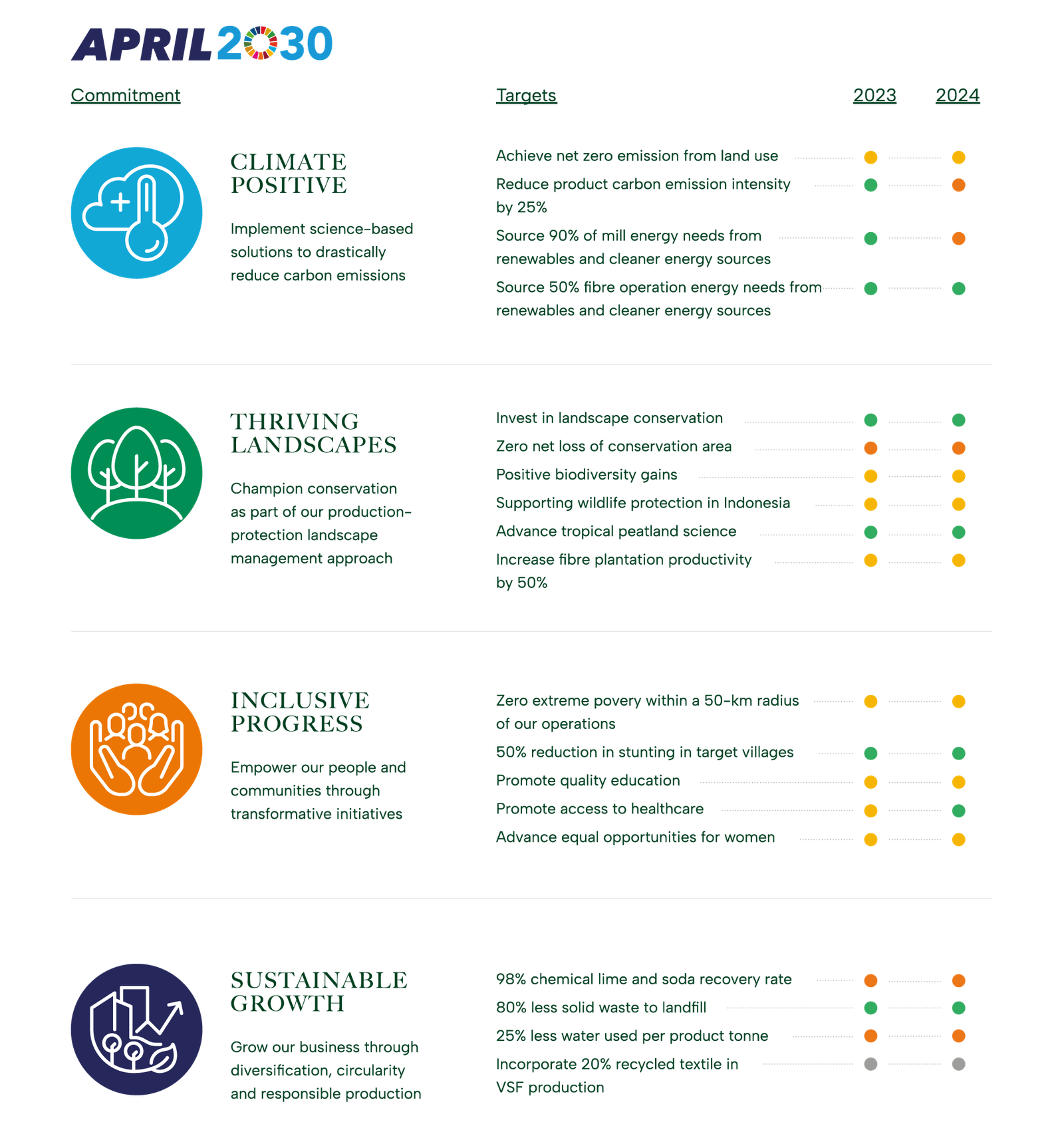
Waste disposed is recorded through various means of measurement including estimation of weight by waste type. Particular waste types as described above are measured as a wet waste and converted to a bone dry (BD) weight. The wet waste weight is multiplied by the consistency of each waste type to determine the BD. The consistency is predetermined by the lab.

Baseline
71kg/T

Performance 2022

On Track

sustainable growth — APRIL Asia

Method

The DPTW utilisation rate and % of textile waste per tonne of product will be based on R&D lab/pilot/demo procedures.

Baseline
0%

Performance 2022

In Development

sustainable growth — APRIL Asia

Method

Water consumption per tonne of product is calculated based on water consumed in the production of saleable pulp, paper, viscose staple fiber and viscose yarn measured by flow meters, via calculation and water balances divided by the production figures for saleable pulp, paper, viscose staple fibre and viscose yarn.

Baseline
28 m3/T

Performance 2022

Not Progressing

sustainable growth — APRIL Asia

Method

Soda content within the liquor cycle and losses are determined by means of mass balance based on daily lab analysis.

Lime volume in the lime kiln and losses are determined by means of lime make-up.

The recovery rate is calculated net of the percentage of make-up amounts added. The annual figure is based on the average monthly recovery rate.

Baseline
96%

Performance 2022

Not Progressing

inclusive progress — APRIL Asia

Method

Number of Mill and Nursery contractor calculated based on Man Power data which grouped by gender level calculated as a monthly average.

Baseline
2571

inclusive progress — APRIL Asia

Method

The number of own and supply partners employees is calculated based on year-end Man Power data which is grouped by gender. The identification of leadership position refer to employees’ grade D2 or Manager level and above.

Baseline
55 women employees in leadership positions

Performance 2022

Progressing

inclusive progress — APRIL Asia

Method

Women’s effective participation is identified from the participation list for each program. Percentage of female participation is calculated by the number of women participating divided by the total participants.

Baseline
34%

Performance 2022

Progressing

inclusive progress — APRIL Asia

Method

In development

Baseline
In development

Performance 2022

Progressing

inclusive progress — APRIL Asia

Method

In development

Baseline
In development

Performance 2022

Progressing

inclusive progress — APRIL Asia

Method

In development

Baseline
In development

Performance 2022

Progressing

inclusive progress — APRIL Asia

Method

We engaged third party to conduct assessment in APRIL-supported schools using the framework that was developed by Research Triangle Institute (RTI) and USAID.

Baseline
In development

Performance 2022

Progressing

inclusive progress — APRIL Asia

Method

Poverty mapping is identified through:

  1. Desktop analysis using National Statistics, Village Potential Statistics, SMERU Poverty Map.
  2. On-the-ground verification through FGD, village transect walk, interview with community.

Baseline
3%

Performance 2022

Progressing

thriving landscapes — APRIL Asia

Method

Peer-reviewed scientific journal publication standards

Baseline
1

Performance 2022

On Track

thriving landscapes — APRIL Asia

Method

Documentation of Participation (presentation of papers or posters) in national and international dialogues, workshops and conferences

Baseline
6

Performance 2022

On Track

thriving landscapes — APRIL Asia

Method

Number of scientists from universities and research institutions that have collaborated with APRIL on peatland management during the calendar year

Baseline
9

Performance 2022

On Track

thriving landscapes — APRIL Asia

Method

Wood deliveries (excluding open market supply) to the mill are used as a basis to calculate MAI (Tonnes/ Ha/Yr). The MAI is based on the 3 year area weighted rolling average growth for all closed compartments.

Baseline
20T/ha/yr

Performance 2022

On Track

thriving landscapes — APRIL Asia

Method

Methodology to be developed specific to animal species and does not include plants. Qualifying initiatives may vary widely in nature but must have the animal protection as the primary objective.

Partnerships will be developed and documented in line with an overarching strategy prioritizing stakeholders and threats specific to the country of Indonesia assessed.

Performance 2022

Progressing

thriving landscapes — APRIL Asia

Method

May include various initiatives relating to conservation of RTE species to be defined in a priority list, initiatives may be conducted solely or in collaboration with other stakeholders.

Baseline
2

thriving landscapes — APRIL Asia

Method

Methodology to be developed to measure change in ecosystem services and values over time (carbon sequestration, water provision, resource provision including fish and honey)

Baseline
not yet developed

thriving landscapes — APRIL Asia

Method

Reports for reforestation of previously encroached and degraded area including all areas where assisted natural regeneration, planting or enrichment planting of species that improve habitat value have taken place during the year but excludes natural regeneration.

Baseline
275 ha

Performance 2022

Progressing

thriving landscapes — APRIL Asia

Method

Area within conservation is derived from land bank which is based on land cover analysis and is updated annually to capture any boundary changes, land use changes or measurement data.

Baseline
0 ha Net loss

Performance 2022

Not Progressing

thriving landscapes — APRIL Asia

Method

Landscape conservation funding includes restoration and conservation costs associated with the RER as well as the allocation of a proportion of the costs related to APRIL’s maintenance of conservation values under its production-protection model. The allocation is based on proportionate amount of each cost that is related to conservation and restoration.

The wood volume is based on wood delivered to the Mill.

Baseline
USD$0.7 per tonne of plantation fiber

Performance 2022

On Track

climate positive 1 — APRIL Asia

Method

Mill

Calculate from the records of fuel types used the amount consumed in boilers to generate power, heat and steam including energy use for mobile & including transportation. Each of the fuel types are converted to energy expressed by Giga Joule Lower Heating Value (GJ LHV) following the IPCC guidelines.

Baseline: 87%

Performance 2022

On Track

Forest Operations

Calculate from the records of fuel types the quantity consumed by major categories of forest management activities by Fiber operations.

This covers energy used for Forest operations, infrastructure including wood transport from estate to mill; When a blend of fuel types is used (such as B20) the contribution to renewable and cleaner energy targets is calculated separately for each fuel rather than considering the blend as a cleaner fuel type.

Baseline: 19%

Performance 2022

Progressing

climate positive 1 — APRIL Asia

Method

APRIL follows the international GHG protocol as developed by WRI/WBCSD to develop its emissions profile. The total emissions measured as emissions intensity is calculated based on tonnes of Scope 1 and 2 Mill Greenhouse Gas Emissions per tonne of product (paper, pulp and viscose). The emissions boundary scope covers gate-to-gate (wood processing in wood yard until pulp, paper and viscose production) of the three main GHGs: CO2, CH4, and N2O.

Baseline
0.55 tCO2e/product tonne

Performance 2022

On Track

climate positive 1 — APRIL Asia

Method

To quantify the total GHG emission and removals across APRIL’s land bank from land use, APRIL follows the GHG Protocol Agricultural Guidance and IPCC Guidelines for Agricultural, Forestry, and Other Land Use. To detect the land cover change within the look-back period, i.e. 20 years APRIL utilized the remotely sensed data.

The GHG emission will be calculated as the total of carbon stock changes in woody biomass and soil organic carbon and include all major carbon fluxes such as peat decomposition, plantation growth and harvesting, and fires.

To quantify the amount of carbon unit to balance the emission, the Verified Carbon Standard (VCS), the Climate, Community and Biodiversity Standards (CCB), or other internationally accepted standard will be used.

Performance 2022

Progressing

This site is registered on wpml.org as a development site. Switch to a production site key to remove this banner.