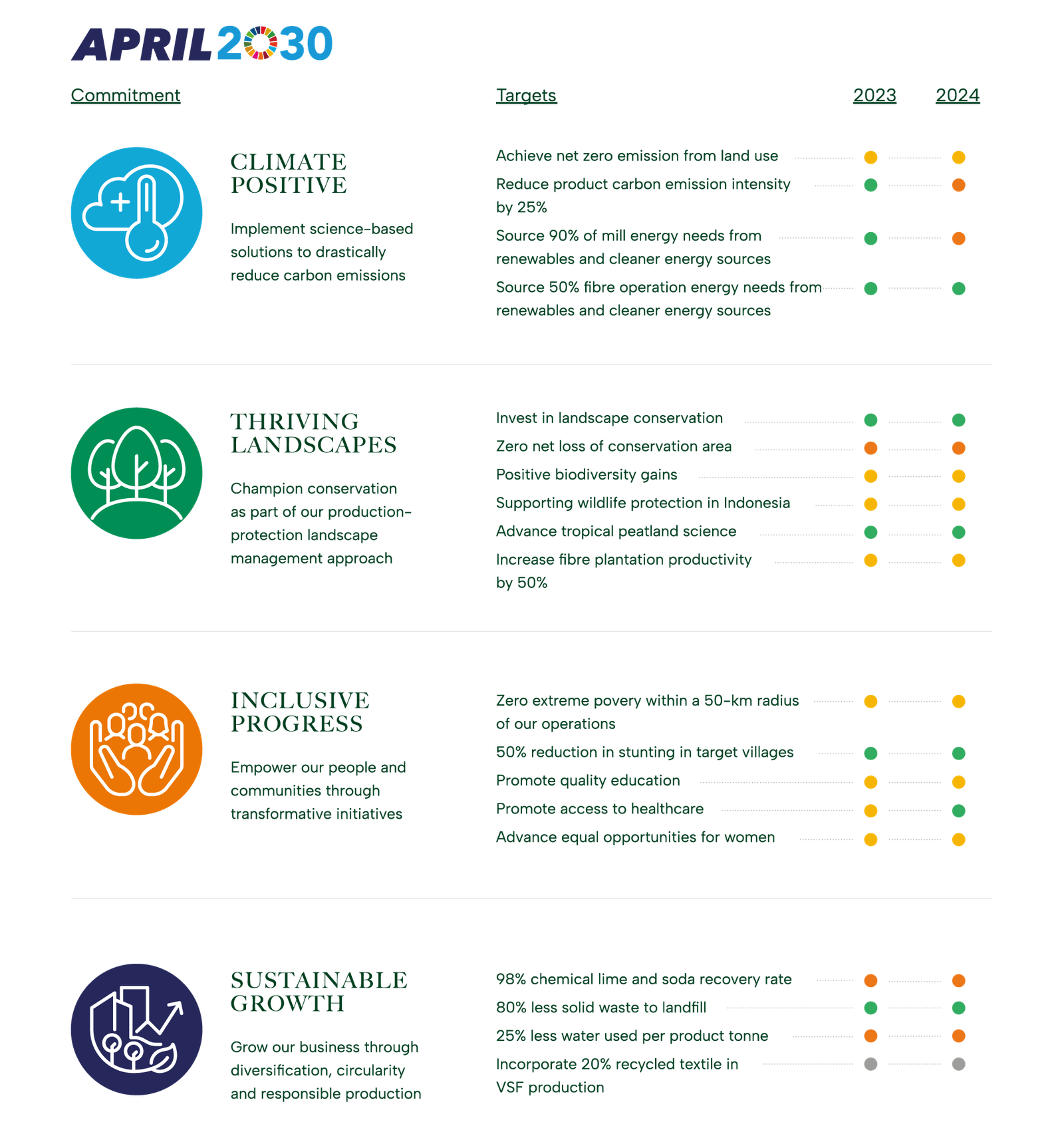
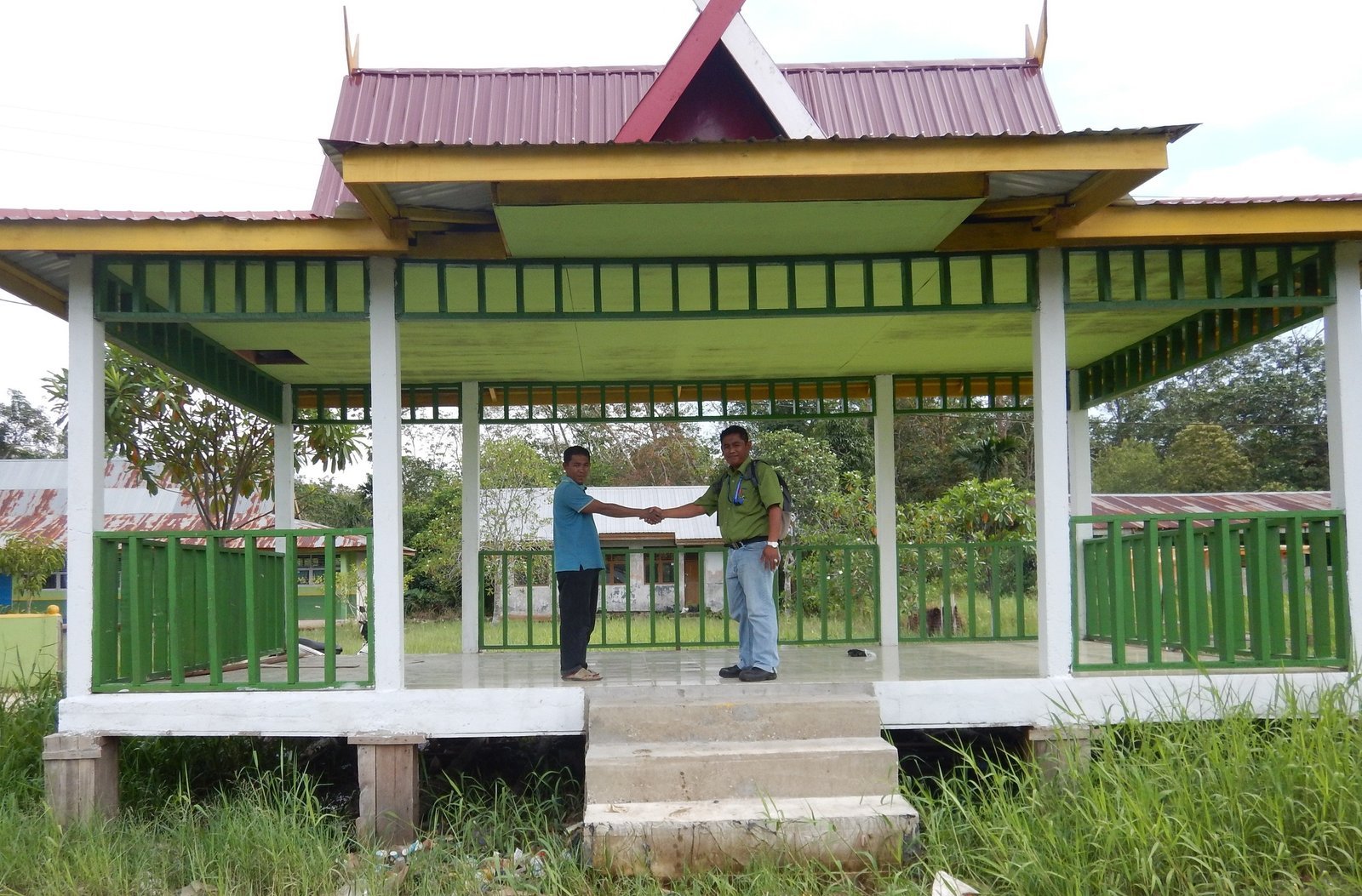
エイプリル社ファイヤー・フリー・ヴィレッジ・プログラム(FFVP)の「野焼きゼロ報奨金」の資金援助によって新しく整備されたインフラからの恩恵をコミュニティが実感するにつれ、リアウ州の生活は変わり始めています。モスクや市場、スポーツ施設にいたるまで、村人はFFVPからのメリットを実感しています。

FFVPの成功に尽力しているエイプリル社の防火責任者、サイラル・アリミ氏が、今回の「野焼きゼロ報奨金」プログラムの成功の理由とその方法について知見を語ってくれました。
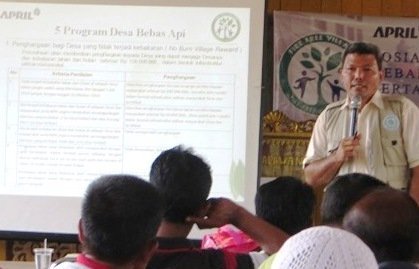
SailalProfile — APRIL Asia

防火責任者のサイラル・アリミ氏

質問:野焼きゼロ報奨金の取組みが何故FFVPの成功に重要だったのですか。

アリミ氏: FFVPの立上げにあたり、伝統のある文化的慣行を変えようとしたところ、これを受け入れようとしない人たちがいました。野焼き自体が多くの点で問題であることを説明することが大切で、直接の見返りを与えるようなインセンティブが必要だったと思います。村や防火活動のリーダーたちがコミュニティの支援を得るうえでも、このことが非常に重要でした。

質問: 見返りの中身は何でしょうか。

アリミ氏: 村は1年間の防火実績をベースに報奨金の全額または一部を受け取ることになっており、これは役員やNGOで構成される第三者委員会により判定されます。報奨金はコミュニティ・プロジェクト向けのインフラ助成金として付与されます。このインフラ・プロジェクトについても委員会の審査と同意を受けることになっています。現金による助成は行いませんが、2016年に付与されたインフラ助成金の額は、14のコミュニティ全部で10万米ドル弱でした。

質問: これまで村は報奨助成金によってどのようなインフラを整備したのですか。

村のニーズや優先度によって様々です。9つの村ではモスクが改築されたり、新しい施設が増築されたりしました。サッカー、バスケットボール、バレーボールの新しいコートを建設したり、市場を改修した村もあります。道路整備が行われたところもあります。ですので、報奨金はコミュニティ全体に役立つ非常に様々なインフラに貢献しています。

質問: こうしたコミュニティに生活する人々の反応はどのようなものでしたか。

アリミ氏: 概して、村の人たちと話すと彼らがどんなに喜んでいるか、またこの取り組みと態度の変容が自分たちのコミュニティの福祉にとっていかに大切かを理解していることが分かります。もちろん、具体的な見返り型プロジェクトにも満足しています。たとえばクアラ・パンドゥックでは、モスクが新設されたことで、村人は沐浴のために川まで行かずに朝の清めの儀式を行うことができるようになりました。村の防火活動リーダーも、コミュニティの人々は、整備された通学路やスポーツセンターにできた新しい観客席を喜んでいると語っています。
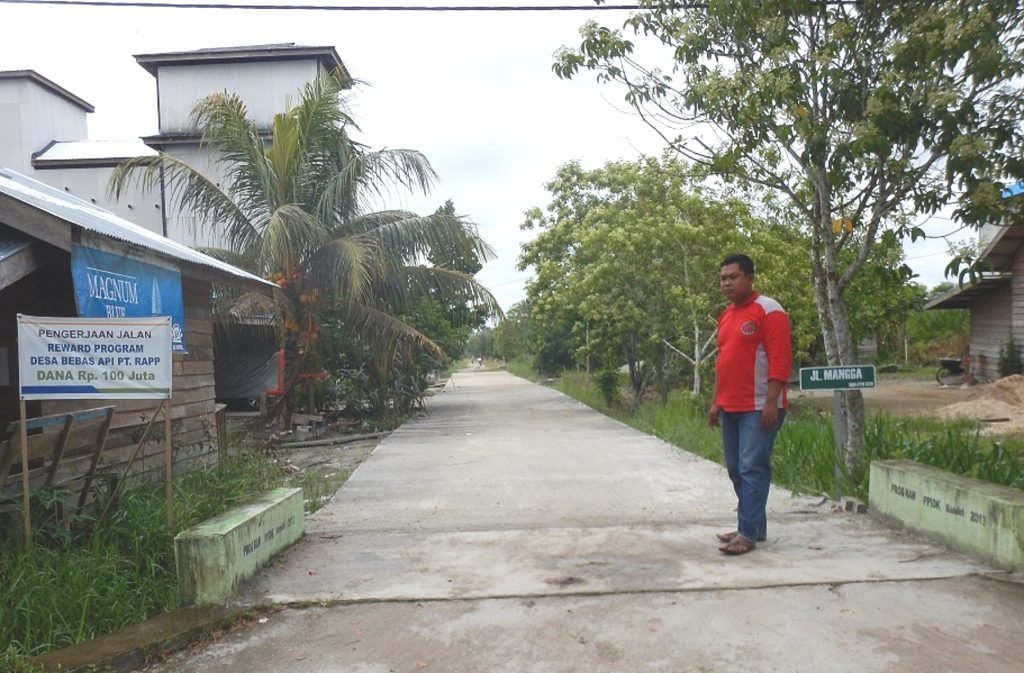
JalanTelukMeranti1 — APRIL Asia

テルク・メランティの新しい道路

テルク・メランティでは、排水溝や舗装道路が整備され、雨季のぬかるみに悩まされなくなったことにコミュニティ全体が非常に満足していると村長や防火活動リーダーは話しています。

質問: これまでの報奨金プログラムをどのように評価されますか。

アリミ氏: 2016年のFFVP開始以降、このプログラムに参加した18の村のうち14の村が報奨金を得ました。このことは、コミュニティが防火の大切さを理解していることの表れだと思います。残念ながら報奨金に届かなかったコミュニティがあることも事実です。しかし最も大事なことは、野焼きが悪いことだということを人々が実際に理解し、文化的な思考転換が生まれていることです。

もちろん、報奨金という見返りを得られる可能性が、当初のFFVPへの支援を得るのに大いに役立ったことは確かです。先々を考えると、報奨金によるインフラを毎日利用しているということが、人々に防火の大切さを何よりも気付かせてくれるものになるだろうと私は思います。
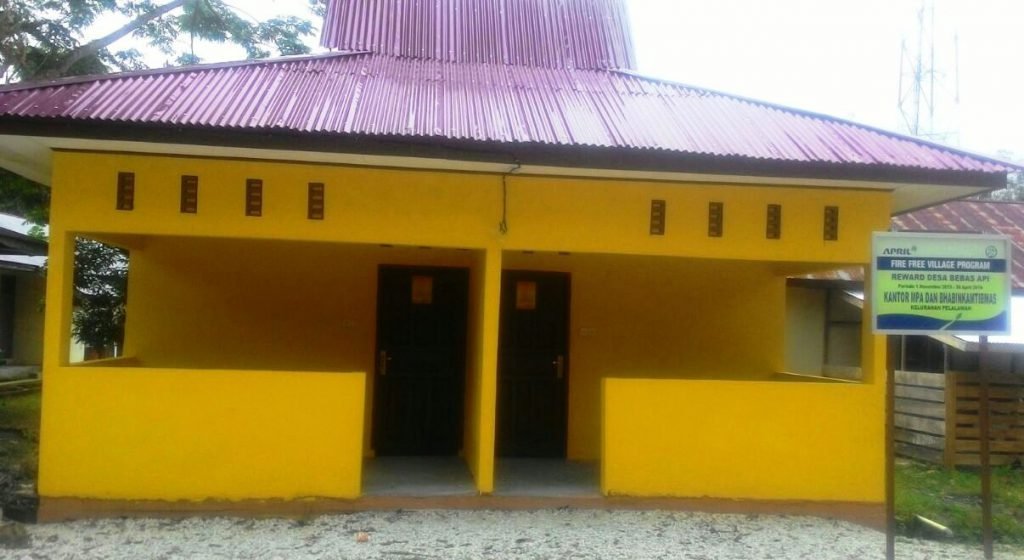
KantorMPAPelalawan — APRIL Asia

FFVPの報奨金で建てられた防火のためのコミュニティ集会場

質問: 報奨金を得られなかった村はありますか。あるとすれば、その理由は何ですか。

アリミ氏: ええ。FFVPが始まってから2年間のプログラムで報奨金を得られなかった村が幾つかあります。これは主に、野焼きが土地作りに最適だという固定観念に固執する若干の人たちがいたためです。これは私たちにとって、またコミュニティ全体にとっても残念なことだと思います。彼らは今も火災からの回復力のあるコミュニティ・プログラムに参加していますので、火災の無い景観を奨励するための教育やその他の支援を引き続き受けることになるでしょう。全体としては、それらのコミュニティの殆どの人々がこのプログラムを卒業して、火災の危険を理解するようになっていると思います。長い目で見れば、彼らは防火における自分の役割を果たしてくれるものと信じています。

質問: 野焼きゼロ報奨金プログラムの導入や実施にあなたが関わってこられたことについて、個人的にどのような感想をお持ちですか。

アリミ氏: このプログラムに関わることができたことを大変誇りに思っています。火災は環境にとってとてつもなく大きな危険であり、インドネシアやさらに遠くの子どもたちを含む、何百万人もの人々の命や健康を脅かすものであることを知っていますので。現地のコミュニティへのその直接の影響も目の当たりにしてきましたが、村人たちが見返りを享受し生活が向上する様子を見てとても満足しています。

質問: ひとたび「見返り」がなくなると、かつての野焼きの慣行に戻る村が出てくる危険はありますか。

アリミ氏:  私はそうは思いません。コミュニティは防火によって自分たちの生活や子どもたちの健康ですら変わることを理解しています。私たちが伝えなければならないことを彼らに聞いてもらうよう促すのに報奨金が役割を果たしたことは間違いありませんが、今ではそのことがいかに大切か彼らは本当に分かっています。彼らの多くの子どもたちさえ、学校を対象とした教育プログラムを通じてこれを学びました。ですから、火災の無い未来へ向けての永続的な文化的転換を開始したと思っています。

FFVPの詳細につきましては、 カーボン・コンサベーション社の 2016 年レヴュー・サマリーをお読みください。

svg+xml;charset=utf — APRIL Asia
sustainable growth — APRIL Asia

Method

Waste disposed is recorded through various means of measurement including estimation of weight by waste type. Particular waste types as described above are measured as a wet waste and converted to a bone dry (BD) weight. The wet waste weight is multiplied by the consistency of each waste type to determine the BD. The consistency is predetermined by the lab.

Baseline
71kg/T

Performance 2022

On Track

sustainable growth — APRIL Asia

Method

The DPTW utilisation rate and % of textile waste per tonne of product will be based on R&D lab/pilot/demo procedures.

Baseline
0%

Performance 2022

In Development

sustainable growth — APRIL Asia

Method

Water consumption per tonne of product is calculated based on water consumed in the production of saleable pulp, paper, viscose staple fiber and viscose yarn measured by flow meters, via calculation and water balances divided by the production figures for saleable pulp, paper, viscose staple fibre and viscose yarn.

Baseline
28 m3/T

Performance 2022

Not Progressing

sustainable growth — APRIL Asia

Method

Soda content within the liquor cycle and losses are determined by means of mass balance based on daily lab analysis.

Lime volume in the lime kiln and losses are determined by means of lime make-up.

The recovery rate is calculated net of the percentage of make-up amounts added. The annual figure is based on the average monthly recovery rate.

Baseline
96%

Performance 2022

Not Progressing

inclusive progress — APRIL Asia

Method

Number of Mill and Nursery contractor calculated based on Man Power data which grouped by gender level calculated as a monthly average.

Baseline
2571

inclusive progress — APRIL Asia

Method

The number of own and supply partners employees is calculated based on year-end Man Power data which is grouped by gender. The identification of leadership position refer to employees’ grade D2 or Manager level and above.

Baseline
55 women employees in leadership positions

Performance 2022

Progressing

inclusive progress — APRIL Asia

Method

Women’s effective participation is identified from the participation list for each program. Percentage of female participation is calculated by the number of women participating divided by the total participants.

Baseline
34%

Performance 2022

Progressing

inclusive progress — APRIL Asia

Method

In development

Baseline
In development

Performance 2022

Progressing

inclusive progress — APRIL Asia

Method

In development

Baseline
In development

Performance 2022

Progressing

inclusive progress — APRIL Asia

Method

In development

Baseline
In development

Performance 2022

Progressing

inclusive progress — APRIL Asia

Method

We engaged third party to conduct assessment in APRIL-supported schools using the framework that was developed by Research Triangle Institute (RTI) and USAID.

Baseline
In development

Performance 2022

Progressing

inclusive progress — APRIL Asia

Method

Poverty mapping is identified through:

  1. Desktop analysis using National Statistics, Village Potential Statistics, SMERU Poverty Map.
  2. On-the-ground verification through FGD, village transect walk, interview with community.

Baseline
3%

Performance 2022

Progressing

thriving landscapes — APRIL Asia

Method

Peer-reviewed scientific journal publication standards

Baseline
1

Performance 2022

On Track

thriving landscapes — APRIL Asia

Method

Documentation of Participation (presentation of papers or posters) in national and international dialogues, workshops and conferences

Baseline
6

Performance 2022

On Track

thriving landscapes — APRIL Asia

Method

Number of scientists from universities and research institutions that have collaborated with APRIL on peatland management during the calendar year

Baseline
9

Performance 2022

On Track

thriving landscapes — APRIL Asia

Method

Wood deliveries (excluding open market supply) to the mill are used as a basis to calculate MAI (Tonnes/ Ha/Yr). The MAI is based on the 3 year area weighted rolling average growth for all closed compartments.

Baseline
20T/ha/yr

Performance 2022

On Track

thriving landscapes — APRIL Asia

Method

Methodology to be developed specific to animal species and does not include plants. Qualifying initiatives may vary widely in nature but must have the animal protection as the primary objective.

Partnerships will be developed and documented in line with an overarching strategy prioritizing stakeholders and threats specific to the country of Indonesia assessed.

Performance 2022

Progressing

thriving landscapes — APRIL Asia

Method

May include various initiatives relating to conservation of RTE species to be defined in a priority list, initiatives may be conducted solely or in collaboration with other stakeholders.

Baseline
2

thriving landscapes — APRIL Asia

Method

Methodology to be developed to measure change in ecosystem services and values over time (carbon sequestration, water provision, resource provision including fish and honey)

Baseline
not yet developed

thriving landscapes — APRIL Asia

Method

Reports for reforestation of previously encroached and degraded area including all areas where assisted natural regeneration, planting or enrichment planting of species that improve habitat value have taken place during the year but excludes natural regeneration.

Baseline
275 ha

Performance 2022

Progressing

thriving landscapes — APRIL Asia

Method

Area within conservation is derived from land bank which is based on land cover analysis and is updated annually to capture any boundary changes, land use changes or measurement data.

Baseline
0 ha Net loss

Performance 2022

Not Progressing

thriving landscapes — APRIL Asia

Method

Landscape conservation funding includes restoration and conservation costs associated with the RER as well as the allocation of a proportion of the costs related to APRIL’s maintenance of conservation values under its production-protection model. The allocation is based on proportionate amount of each cost that is related to conservation and restoration.

The wood volume is based on wood delivered to the Mill.

Baseline
USD$0.7 per tonne of plantation fiber

Performance 2022

On Track

climate positive 1 — APRIL Asia

Method

Mill

Calculate from the records of fuel types used the amount consumed in boilers to generate power, heat and steam including energy use for mobile & including transportation. Each of the fuel types are converted to energy expressed by Giga Joule Lower Heating Value (GJ LHV) following the IPCC guidelines.

Baseline: 87%

Performance 2022

On Track

Forest Operations

Calculate from the records of fuel types the quantity consumed by major categories of forest management activities by Fiber operations.

This covers energy used for Forest operations, infrastructure including wood transport from estate to mill; When a blend of fuel types is used (such as B20) the contribution to renewable and cleaner energy targets is calculated separately for each fuel rather than considering the blend as a cleaner fuel type.

Baseline: 19%

Performance 2022

Progressing

climate positive 1 — APRIL Asia

Method

APRIL follows the international GHG protocol as developed by WRI/WBCSD to develop its emissions profile. The total emissions measured as emissions intensity is calculated based on tonnes of Scope 1 and 2 Mill Greenhouse Gas Emissions per tonne of product (paper, pulp and viscose). The emissions boundary scope covers gate-to-gate (wood processing in wood yard until pulp, paper and viscose production) of the three main GHGs: CO2, CH4, and N2O.

Baseline
0.55 tCO2e/product tonne

Performance 2022

On Track

climate positive 1 — APRIL Asia

Method

To quantify the total GHG emission and removals across APRIL’s land bank from land use, APRIL follows the GHG Protocol Agricultural Guidance and IPCC Guidelines for Agricultural, Forestry, and Other Land Use. To detect the land cover change within the look-back period, i.e. 20 years APRIL utilized the remotely sensed data.

The GHG emission will be calculated as the total of carbon stock changes in woody biomass and soil organic carbon and include all major carbon fluxes such as peat decomposition, plantation growth and harvesting, and fires.

To quantify the amount of carbon unit to balance the emission, the Verified Carbon Standard (VCS), the Climate, Community and Biodiversity Standards (CCB), or other internationally accepted standard will be used.

Performance 2022

Progressing

This site is registered on wpml.org as a development site. Switch to a production site key to remove this banner.