APRILグループは、サステナビリティ・コミットメントの進捗と成果を詳細に記した「2020年度 持続可能性報告書」を発表しました。このレポートに掲載されたAPRIL社のプラヴィーン・シンハヴィ社長のメッセージを以下に要約します。

2020年は、コミュニティ、企業、そして国が、コロナウイルスの感染拡大により今なお続いている影響と格闘した年でした。APRILグループは、気候、自然、人々へ、これからの10年間でプラスに働く影響を与えるため、世界的な動向に同調し、サステナブルな事業を倍増します。

「APRIL2030」コミットメントの発足は、気候変動にプラスに作用し、豊かな景観を保護し、包括的な発展を確実にし、事業を持続的に成長させ、弊社をさらに大きく前進させてまいりました。これは、アジアを拠点とするバイオエコノミー企業が、次世代の利益となる、よりサステナブルな成果をあげるよう、この地球を動かすような国際的な努力の先導者となっていることで実証されています。

「APRIL2030」が重要なマイルストーンとなった一方で、2020年の優先事項として挙げたいのは、コロナウイルス感染拡大による困難に直面している従業員とその家族、同様にAPRIL社と関わる人々やコミュニティの健康と福祉です。3月には、予防的安全措置と福祉対策を多数採用し、人々の安全を維持する事業継続計画を実行に移しました。これには、移動の制限、接触者追跡(接触確認)、検疫実施計画、健康診断、マスクの配布、従業員と地域コミュティへの啓もう活動が含まれます。

さらに良い報告としては、APRIL2030コミットメント開始後のインドネシア政府の発表によると、2020年のインドネシアの森林伐採の割合は2019年よりも75%減少しましたが、これは、政府が1990年に観測を開始してから最も低い割合となりました。この結果について、発展と成長は森林伐採と切り離しても成し得るという、もうひとつの良い兆しだと信じています。

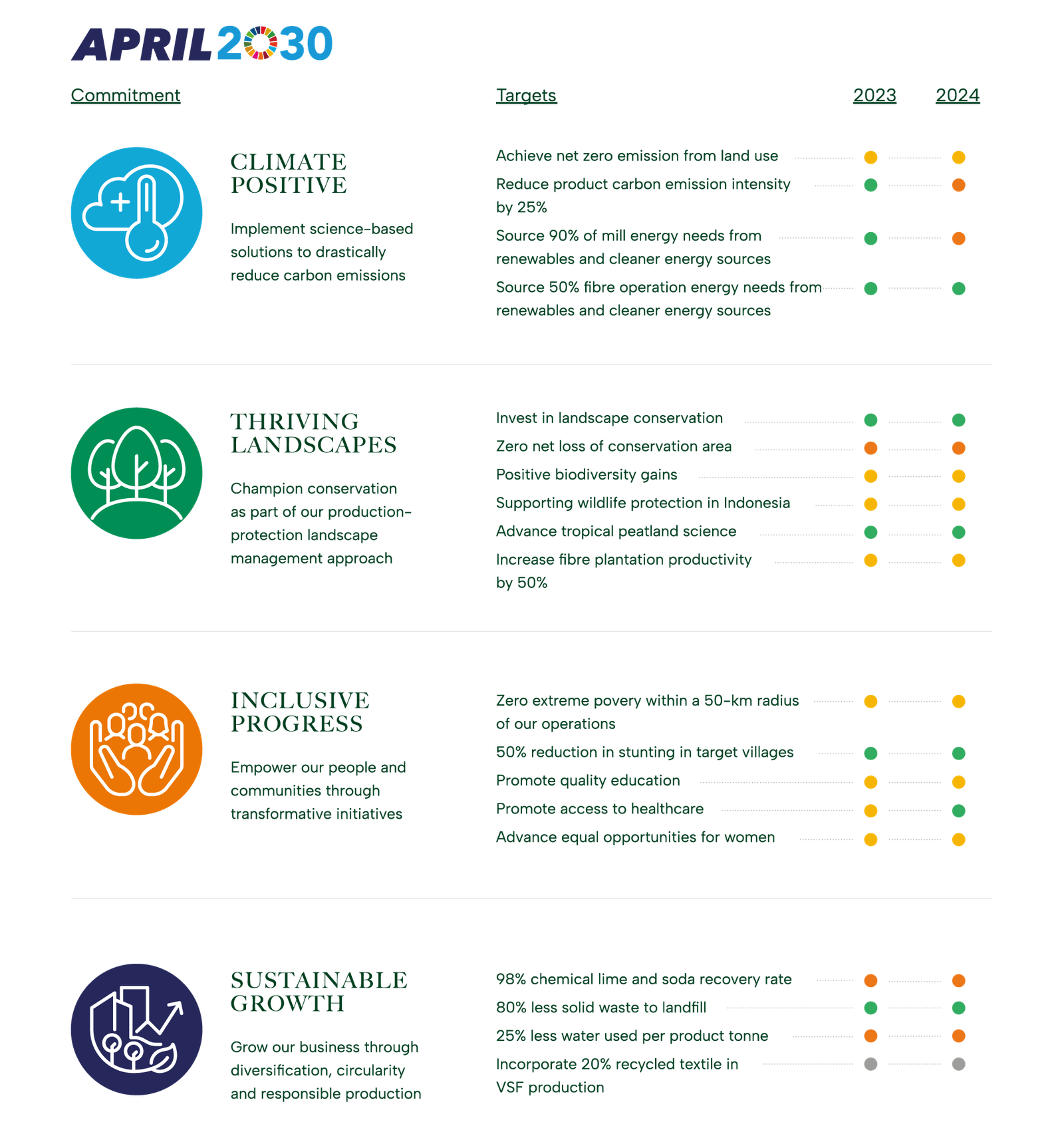
また重要なこととして、「APRIL2030」のもとで定められた18の目標はどれも、実施のための明確なロードマップと、その進展を監視し報告することで追跡を可能にする指標によってサポートされています。目標の設定は、その十分な効果を確保するため、2年に及ぶ全社挙げての努力によりすすめられました。

関係者が直接会って話し合う会合は、コロナウイルス感染防止のために制限されるなか、2020年に2名の新たな専門家メンバーが加わった、ステークホルダー諮問委員会(SAC)と、第三者泥炭専門家ワーキンググループ(IPEWG)の指針と監督により、エイプリルグループは引き続きアドバイスを受けました。この2つの組織は、どちらもAPRIL2030コミットメントを念頭においています。

これまでの数年間、SACは、持続可能な森林方針2.0(SFMP)のAPRIL社による実行に関する限定的保証業務の実施にあたり、KPMG Performance Registrar Inc.を指名しました。この方針は引き続き、森林泥炭地における森林伐採と新たな開発をしないこと、コミュニティの問題解決には「自由意思による、事前の、十分な情報に基づく同意」を適用するという、持続可能なアプローチの主要な柱となります。

感染拡大による特殊な課題や危機にもかかわらず、次の10年の事業とサステナビリティについての課題を、APRIL2030コミットメントを通じて定義し、SFMP 2.0を継続して実行するなど、多くの点で、2020年はAPRIL社にとって画期的な年となりました。野心的なサステナビリティ目標の実現へ向けて努力するとともに、弊社の従業員とステークホルダーの今後1年の安全を心から願っています。

APRILグループ「2020年度 持続可能性報告書」はこちらから。

svg+xml;charset=utf — APRIL Asia
sustainable growth — APRIL Asia

Method

Waste disposed is recorded through various means of measurement including estimation of weight by waste type. Particular waste types as described above are measured as a wet waste and converted to a bone dry (BD) weight. The wet waste weight is multiplied by the consistency of each waste type to determine the BD. The consistency is predetermined by the lab.

Baseline
71kg/T

Performance 2022

On Track

sustainable growth — APRIL Asia

Method

The DPTW utilisation rate and % of textile waste per tonne of product will be based on R&D lab/pilot/demo procedures.

Baseline
0%

Performance 2022

In Development

sustainable growth — APRIL Asia

Method

Water consumption per tonne of product is calculated based on water consumed in the production of saleable pulp, paper, viscose staple fiber and viscose yarn measured by flow meters, via calculation and water balances divided by the production figures for saleable pulp, paper, viscose staple fibre and viscose yarn.

Baseline
28 m3/T

Performance 2022

Not Progressing

sustainable growth — APRIL Asia

Method

Soda content within the liquor cycle and losses are determined by means of mass balance based on daily lab analysis.

Lime volume in the lime kiln and losses are determined by means of lime make-up.

The recovery rate is calculated net of the percentage of make-up amounts added. The annual figure is based on the average monthly recovery rate.

Baseline
96%

Performance 2022

Not Progressing

inclusive progress — APRIL Asia

Method

Number of Mill and Nursery contractor calculated based on Man Power data which grouped by gender level calculated as a monthly average.

Baseline
2571

inclusive progress — APRIL Asia

Method

The number of own and supply partners employees is calculated based on year-end Man Power data which is grouped by gender. The identification of leadership position refer to employees’ grade D2 or Manager level and above.

Baseline
55 women employees in leadership positions

Performance 2022

Progressing

inclusive progress — APRIL Asia

Method

Women’s effective participation is identified from the participation list for each program. Percentage of female participation is calculated by the number of women participating divided by the total participants.

Baseline
34%

Performance 2022

Progressing

inclusive progress — APRIL Asia

Method

In development

Baseline
In development

Performance 2022

Progressing

inclusive progress — APRIL Asia

Method

In development

Baseline
In development

Performance 2022

Progressing

inclusive progress — APRIL Asia

Method

In development

Baseline
In development

Performance 2022

Progressing

inclusive progress — APRIL Asia

Method

We engaged third party to conduct assessment in APRIL-supported schools using the framework that was developed by Research Triangle Institute (RTI) and USAID.

Baseline
In development

Performance 2022

Progressing

inclusive progress — APRIL Asia

Method

Poverty mapping is identified through:

  1. Desktop analysis using National Statistics, Village Potential Statistics, SMERU Poverty Map.
  2. On-the-ground verification through FGD, village transect walk, interview with community.

Baseline
3%

Performance 2022

Progressing

thriving landscapes — APRIL Asia

Method

Peer-reviewed scientific journal publication standards

Baseline
1

Performance 2022

On Track

thriving landscapes — APRIL Asia

Method

Documentation of Participation (presentation of papers or posters) in national and international dialogues, workshops and conferences

Baseline
6

Performance 2022

On Track

thriving landscapes — APRIL Asia

Method

Number of scientists from universities and research institutions that have collaborated with APRIL on peatland management during the calendar year

Baseline
9

Performance 2022

On Track

thriving landscapes — APRIL Asia

Method

Wood deliveries (excluding open market supply) to the mill are used as a basis to calculate MAI (Tonnes/ Ha/Yr). The MAI is based on the 3 year area weighted rolling average growth for all closed compartments.

Baseline
20T/ha/yr

Performance 2022

On Track

thriving landscapes — APRIL Asia

Method

Methodology to be developed specific to animal species and does not include plants. Qualifying initiatives may vary widely in nature but must have the animal protection as the primary objective.

Partnerships will be developed and documented in line with an overarching strategy prioritizing stakeholders and threats specific to the country of Indonesia assessed.

Performance 2022

Progressing

thriving landscapes — APRIL Asia

Method

May include various initiatives relating to conservation of RTE species to be defined in a priority list, initiatives may be conducted solely or in collaboration with other stakeholders.

Baseline
2

thriving landscapes — APRIL Asia

Method

Methodology to be developed to measure change in ecosystem services and values over time (carbon sequestration, water provision, resource provision including fish and honey)

Baseline
not yet developed

thriving landscapes — APRIL Asia

Method

Reports for reforestation of previously encroached and degraded area including all areas where assisted natural regeneration, planting or enrichment planting of species that improve habitat value have taken place during the year but excludes natural regeneration.

Baseline
275 ha

Performance 2022

Progressing

thriving landscapes — APRIL Asia

Method

Area within conservation is derived from land bank which is based on land cover analysis and is updated annually to capture any boundary changes, land use changes or measurement data.

Baseline
0 ha Net loss

Performance 2022

Not Progressing

thriving landscapes — APRIL Asia

Method

Landscape conservation funding includes restoration and conservation costs associated with the RER as well as the allocation of a proportion of the costs related to APRIL’s maintenance of conservation values under its production-protection model. The allocation is based on proportionate amount of each cost that is related to conservation and restoration.

The wood volume is based on wood delivered to the Mill.

Baseline
USD$0.7 per tonne of plantation fiber

Performance 2022

On Track

climate positive 1 — APRIL Asia

Method

Mill

Calculate from the records of fuel types used the amount consumed in boilers to generate power, heat and steam including energy use for mobile & including transportation. Each of the fuel types are converted to energy expressed by Giga Joule Lower Heating Value (GJ LHV) following the IPCC guidelines.

Baseline: 87%

Performance 2022

On Track

Forest Operations

Calculate from the records of fuel types the quantity consumed by major categories of forest management activities by Fiber operations.

This covers energy used for Forest operations, infrastructure including wood transport from estate to mill; When a blend of fuel types is used (such as B20) the contribution to renewable and cleaner energy targets is calculated separately for each fuel rather than considering the blend as a cleaner fuel type.

Baseline: 19%

Performance 2022

Progressing

climate positive 1 — APRIL Asia

Method

APRIL follows the international GHG protocol as developed by WRI/WBCSD to develop its emissions profile. The total emissions measured as emissions intensity is calculated based on tonnes of Scope 1 and 2 Mill Greenhouse Gas Emissions per tonne of product (paper, pulp and viscose). The emissions boundary scope covers gate-to-gate (wood processing in wood yard until pulp, paper and viscose production) of the three main GHGs: CO2, CH4, and N2O.

Baseline
0.55 tCO2e/product tonne

Performance 2022

On Track

climate positive 1 — APRIL Asia

Method

To quantify the total GHG emission and removals across APRIL’s land bank from land use, APRIL follows the GHG Protocol Agricultural Guidance and IPCC Guidelines for Agricultural, Forestry, and Other Land Use. To detect the land cover change within the look-back period, i.e. 20 years APRIL utilized the remotely sensed data.

The GHG emission will be calculated as the total of carbon stock changes in woody biomass and soil organic carbon and include all major carbon fluxes such as peat decomposition, plantation growth and harvesting, and fires.

To quantify the amount of carbon unit to balance the emission, the Verified Carbon Standard (VCS), the Climate, Community and Biodiversity Standards (CCB), or other internationally accepted standard will be used.

Performance 2022

Progressing

This site is registered on wpml.org as a development site. Switch to a production site key to remove this banner.