
エイプリル社ステークホルダー諮問委員会の委員であるジェフ・セイヤー教授は、保全の成功はその土地に暮らす人々の経済状況と密接に結びついていると考えています。

複雑に結びついた社会や持続可能な環境の中で暮らしたいと考える人にとって、戦後のロンドンはその考えを育む場所としての役割を果たしていませんでした。しかし、イギリス古代の森が今も残るエッピングで生まれたジェフ・セイヤー教授には、それでも十分でした。教授は幼いころ、木登りや探検ごっこといった普通の子供がするような遊びをして、自然史への情熱を育んでいったのです。

「都会的な環境に対する反抗心だったのだと思います」と教授は言っています。「私が若いころは、ロンドン郊外に住む人には必ずと言っていいほど田舎に住む親戚がいたものです。ですから、もしエッピングの森を駆け回っていなければ、ノーフォークにある家族の故郷の農場や田畑を駆け回っていたことでしょう。なかでも、東ロンドンにあった弾薬庫や放棄された軍用地での不思議な出来事は特に思い出深いものです。そこでは野生生物がその土地を取り戻し、森が再生していました」

セイヤー教授はハル大学で植物学と動物学を学び、ユニバーシティ・カレッジ・ロンドン(ロンドン大学)で環境保全の修士号を取得しました。教授はまさにここで、黎明期の環境保全学の巨人たち(ジョン・モートン・ボイド、マックス・ニコルソン、ダドリー・スタンプ、ピーター・スコットの各氏、そして「伝説」と呼ばれたデイビッド・アッテンボロー氏)と知り合いました。さまざまな意味で、この面々が持続可能性推進運動のパイオニアだったのです。

最初のチャンスは彼が22歳のときにやってきました。ダートムーアの自然の中で寝泊まりしながら、修士号のための調査を行っていたときのことです。彼はある仕事に応募していました。条件は27歳以上で博士号を持っていること。彼はどちらも当てはまりませんでした。ところが、イギリスの郵便局で起きた全くの偶然から、すぐにザンビアへ発つことができれば仕事をさせてもよい、という電報を受け取ったのです。

sayer jeff UBC Feb 2018 — APRIL Asia

ステークホルダー諮問委員会 ジェフ・セイヤー教授

セイヤー教授は3年間ザンビアで生活し、象徴的な野生生物と環境保全の関係について調査しました。その後マリへ拠点を移し、保護区のシステムを確立するための研究に着手します。数十年以上にわたり、その研究によって多くの国で重要な役割を果たしてきました。

「私が物の見方を180度変えたのはまさにこの地です。サヘル地域は当時、壊滅的な干ばつに見舞われていました。われわれが素晴らしいサヘル地域の野生生物を保全しようとしていたまさにその土地で、人々が餓死しかかっているという惨状を目の当たりにしたのです。持続可能性というのはあらゆる角度から見なければならないものだと痛感しました。環境の保全が喫緊の課題である土地では必ず、貧困や社会的抑圧の問題も起きています。これらも合わせて取り組む必要があります。例えばベニンでは、国立公園につながる道路を整備するための重機を買うお金を渡されたことがありますが、私は村人たちのために使いました。彼らが仕事をしてお金を稼いだからこそ、いわゆる“自己投資”をすることができたのです。これはうまく行きました」

セイヤー教授はまるで遊牧民のようでもあります。世界中で暮らしながら仕事をしているうえに、極めて困難な状況に置かれることも多いのですが、常日頃から人々の窮状と自然環境の窮状を結びつけて考えています。タイやビルマの山岳民族とともに働いた経験もありますし、アマゾンやコンゴ盆地の隅々まで旅した経験もあります。インドネシアは言うに及ばず、です。アフガニスタンでは、保護区に取り組んでいたさなかに戦争が勃発しました。「われわれが驚異的な野生生物を保全しようとしているその頭上をミグ戦闘機が轟音を上げて飛び、弾丸が事務所の窓を突き破って行ったのです」

教授が社会と自然環境を分かちがたいものと考え、献身的に取り組んでいるということはとりもなおさず、保全について理解を深め、保全を達成するためには、危険を顧みることなく現地に赴かなければならないと強く実感していることにほかなりません。長年、教授は世界自然保護基金(WWF)や国際自然保護連合(IUCN)とも絶えず接触を図ってきました。ビルマ北部で調査を行っていたときに、熱帯雨林保護プログラムを創設する人物をIUCNが探していることを知り、これは地球全体で森林保全問題に取り組むまたとない機会であると考えたセイヤー教授は、スイスの比較的治安のよい場所へ移り、初めて世界三大熱帯雨林の詳細な地図をまとめるチームを指揮しました。

10年後、教授は自身の総合的な保全理論をより高い段階へと進めるチャンスを得ます。国際林業研究センター(CIFOR)がインドネシアの初代事務局長になるよう依頼したのです。当時、林業に関して社会的問題と生物学的問題を結びつける総合的な手法を採用することは、かなり斬新であると考えられていました。しかし、セイヤー教授は多部門からなるチームを編成し、一緒になって森林問題に対する人々の考え方を変えたのです。その後の10年間は、人と森の関係に取り組み、人類学者から経済学者まで幅広い専門家を派遣しました。「われわれは目標をさらに推し進めるため、世界最高水準の専門家を集めることができました。まさにドリームチームです」

とりわけ、セイヤー教授はインドネシアの土地開発に関する最初の指針の立案に積極的に取り組みました。その指針はインドネシアの公共政策として採用されました。教授は当時、泥炭地の開発の危険性についてはじめて注目しました。

セイヤー教授はエイプリル社のステークホルダー諮問委員会の創設時からのメンバーであり、人々と土地の相関関係についての経験をもとに、その議論に影響を与えています。「私が監視区域と呼ぶものがあります。カンパーがその一例です。このような土地の未来は次世代の人々の掌中にあり、実業界の啓発活動も必要です。私の仕事も、高等教育を受けた聡明な若者が修士課程や博士課程の期間にこういった土地にやって来て、実際に見て感じて経験する一助となり続けるでしょう。そういう学生たちこそ、未来の保全のリーダーとなるのです」
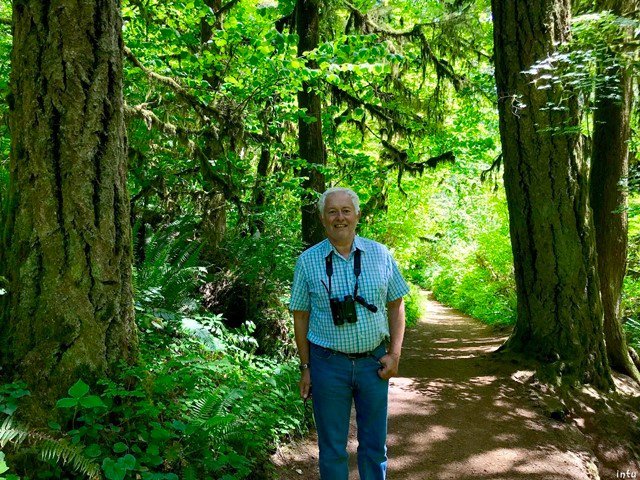
SAYER photo1 — APRIL Asia
教授は現在、オーストラリアのケアンズで暮らしながら、学者(ジェームズ・クック大学開発学教授)と現地保全活動家の二足のわらじを履いています。この二面性は彼が持つ多くの肩書(CIFORの最高経営責任者、WWF上級会員、世界銀行上級顧問、IUCN上級フェロー、ユトレヒト大学国際自然保護学教授)にも現れており、世界中の大学で客員講師としても活躍しています。

2018年には、インドネシアの人類学者でもあり、「現場主義」への情熱を分かち合う妻のイントゥ・ボエディハルトノ氏とともにカナダへ移り、ブリティッシュコロンビア大学森林保全科学学部の教授を務めています。

今後の保全手法に対しても、教授は活発に意見を提起しており、その見解は経済発展が成功の壁ではなく、成功の重要な要素であるという信念に根差しています。「NGOが問題に光を当てることも大切ですが、開発に反対する保全活動家は短絡的になりがちです。インドネシアがその好例です。ものすごいスピードで発展してきましたし、もちろん問題の原因となっているものもあります。ですが、現在も急速に増えつつある2億6000万人以上の人々が安定した政府を求め、医療や教育、公正な賃金、公正な処遇を得られるよう求めているという事実は否めませんし、それによって、こんなにも素晴らしい自然環境を保全する必要性とも、ある意味で向き合っていくことができるのです。これは政府や財界、NGO、地域団体、学界や科学界といった、多くの関係者の責任です。ですが、肝心なのは保全の成功と安定的な経済成長というこの二つは切っても切れない関係にあって、相いれないものではないということです。この二つは密接に結びついているのです」

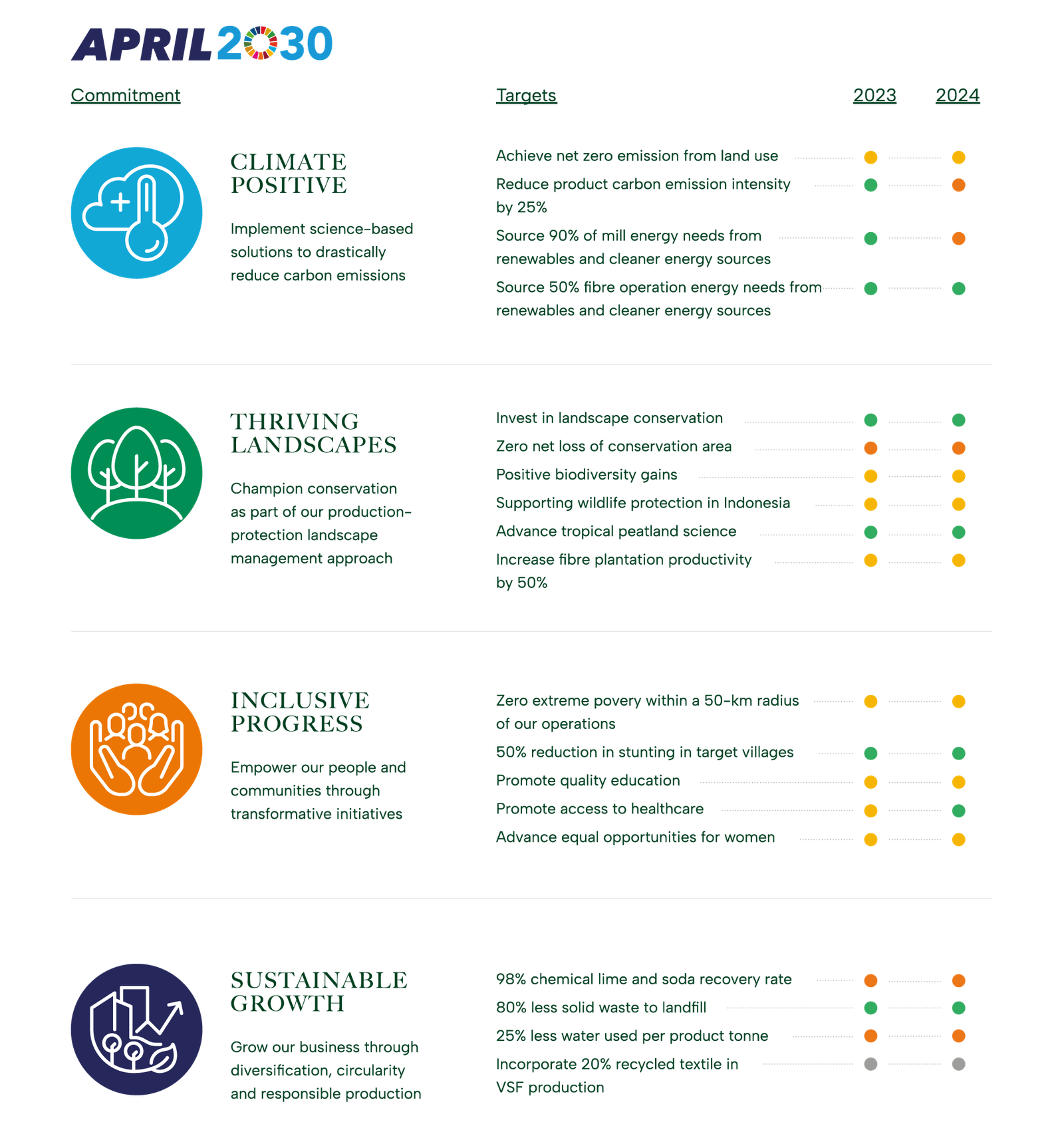
svg+xml;charset=utf — APRIL Asia
sustainable growth — APRIL Asia

Method

Waste disposed is recorded through various means of measurement including estimation of weight by waste type. Particular waste types as described above are measured as a wet waste and converted to a bone dry (BD) weight. The wet waste weight is multiplied by the consistency of each waste type to determine the BD. The consistency is predetermined by the lab.

Baseline
71kg/T

Performance 2022

On Track

sustainable growth — APRIL Asia

Method

The DPTW utilisation rate and % of textile waste per tonne of product will be based on R&D lab/pilot/demo procedures.

Baseline
0%

Performance 2022

In Development

sustainable growth — APRIL Asia

Method

Water consumption per tonne of product is calculated based on water consumed in the production of saleable pulp, paper, viscose staple fiber and viscose yarn measured by flow meters, via calculation and water balances divided by the production figures for saleable pulp, paper, viscose staple fibre and viscose yarn.

Baseline
28 m3/T

Performance 2022

Not Progressing

sustainable growth — APRIL Asia

Method

Soda content within the liquor cycle and losses are determined by means of mass balance based on daily lab analysis.

Lime volume in the lime kiln and losses are determined by means of lime make-up.

The recovery rate is calculated net of the percentage of make-up amounts added. The annual figure is based on the average monthly recovery rate.

Baseline
96%

Performance 2022

Not Progressing

inclusive progress — APRIL Asia

Method

Number of Mill and Nursery contractor calculated based on Man Power data which grouped by gender level calculated as a monthly average.

Baseline
2571

inclusive progress — APRIL Asia

Method

The number of own and supply partners employees is calculated based on year-end Man Power data which is grouped by gender. The identification of leadership position refer to employees’ grade D2 or Manager level and above.

Baseline
55 women employees in leadership positions

Performance 2022

Progressing

inclusive progress — APRIL Asia

Method

Women’s effective participation is identified from the participation list for each program. Percentage of female participation is calculated by the number of women participating divided by the total participants.

Baseline
34%

Performance 2022

Progressing

inclusive progress — APRIL Asia

Method

In development

Baseline
In development

Performance 2022

Progressing

inclusive progress — APRIL Asia

Method

In development

Baseline
In development

Performance 2022

Progressing

inclusive progress — APRIL Asia

Method

In development

Baseline
In development

Performance 2022

Progressing

inclusive progress — APRIL Asia

Method

We engaged third party to conduct assessment in APRIL-supported schools using the framework that was developed by Research Triangle Institute (RTI) and USAID.

Baseline
In development

Performance 2022

Progressing

inclusive progress — APRIL Asia

Method

Poverty mapping is identified through:

  1. Desktop analysis using National Statistics, Village Potential Statistics, SMERU Poverty Map.
  2. On-the-ground verification through FGD, village transect walk, interview with community.

Baseline
3%

Performance 2022

Progressing

thriving landscapes — APRIL Asia

Method

Peer-reviewed scientific journal publication standards

Baseline
1

Performance 2022

On Track

thriving landscapes — APRIL Asia

Method

Documentation of Participation (presentation of papers or posters) in national and international dialogues, workshops and conferences

Baseline
6

Performance 2022

On Track

thriving landscapes — APRIL Asia

Method

Number of scientists from universities and research institutions that have collaborated with APRIL on peatland management during the calendar year

Baseline
9

Performance 2022

On Track

thriving landscapes — APRIL Asia

Method

Wood deliveries (excluding open market supply) to the mill are used as a basis to calculate MAI (Tonnes/ Ha/Yr). The MAI is based on the 3 year area weighted rolling average growth for all closed compartments.

Baseline
20T/ha/yr

Performance 2022

On Track

thriving landscapes — APRIL Asia

Method

Methodology to be developed specific to animal species and does not include plants. Qualifying initiatives may vary widely in nature but must have the animal protection as the primary objective.

Partnerships will be developed and documented in line with an overarching strategy prioritizing stakeholders and threats specific to the country of Indonesia assessed.

Performance 2022

Progressing

thriving landscapes — APRIL Asia

Method

May include various initiatives relating to conservation of RTE species to be defined in a priority list, initiatives may be conducted solely or in collaboration with other stakeholders.

Baseline
2

thriving landscapes — APRIL Asia

Method

Methodology to be developed to measure change in ecosystem services and values over time (carbon sequestration, water provision, resource provision including fish and honey)

Baseline
not yet developed

thriving landscapes — APRIL Asia

Method

Reports for reforestation of previously encroached and degraded area including all areas where assisted natural regeneration, planting or enrichment planting of species that improve habitat value have taken place during the year but excludes natural regeneration.

Baseline
275 ha

Performance 2022

Progressing

thriving landscapes — APRIL Asia

Method

Area within conservation is derived from land bank which is based on land cover analysis and is updated annually to capture any boundary changes, land use changes or measurement data.

Baseline
0 ha Net loss

Performance 2022

Not Progressing

thriving landscapes — APRIL Asia

Method

Landscape conservation funding includes restoration and conservation costs associated with the RER as well as the allocation of a proportion of the costs related to APRIL’s maintenance of conservation values under its production-protection model. The allocation is based on proportionate amount of each cost that is related to conservation and restoration.

The wood volume is based on wood delivered to the Mill.

Baseline
USD$0.7 per tonne of plantation fiber

Performance 2022

On Track

climate positive 1 — APRIL Asia

Method

Mill

Calculate from the records of fuel types used the amount consumed in boilers to generate power, heat and steam including energy use for mobile & including transportation. Each of the fuel types are converted to energy expressed by Giga Joule Lower Heating Value (GJ LHV) following the IPCC guidelines.

Baseline: 87%

Performance 2022

On Track

Forest Operations

Calculate from the records of fuel types the quantity consumed by major categories of forest management activities by Fiber operations.

This covers energy used for Forest operations, infrastructure including wood transport from estate to mill; When a blend of fuel types is used (such as B20) the contribution to renewable and cleaner energy targets is calculated separately for each fuel rather than considering the blend as a cleaner fuel type.

Baseline: 19%

Performance 2022

Progressing

climate positive 1 — APRIL Asia

Method

APRIL follows the international GHG protocol as developed by WRI/WBCSD to develop its emissions profile. The total emissions measured as emissions intensity is calculated based on tonnes of Scope 1 and 2 Mill Greenhouse Gas Emissions per tonne of product (paper, pulp and viscose). The emissions boundary scope covers gate-to-gate (wood processing in wood yard until pulp, paper and viscose production) of the three main GHGs: CO2, CH4, and N2O.

Baseline
0.55 tCO2e/product tonne

Performance 2022

On Track

climate positive 1 — APRIL Asia

Method

To quantify the total GHG emission and removals across APRIL’s land bank from land use, APRIL follows the GHG Protocol Agricultural Guidance and IPCC Guidelines for Agricultural, Forestry, and Other Land Use. To detect the land cover change within the look-back period, i.e. 20 years APRIL utilized the remotely sensed data.

The GHG emission will be calculated as the total of carbon stock changes in woody biomass and soil organic carbon and include all major carbon fluxes such as peat decomposition, plantation growth and harvesting, and fires.

To quantify the amount of carbon unit to balance the emission, the Verified Carbon Standard (VCS), the Climate, Community and Biodiversity Standards (CCB), or other internationally accepted standard will be used.

Performance 2022

Progressing

This site is registered on wpml.org as a development site. Switch to a production site key to remove this banner.